One of the most significant—and sometimes daunting—decisions for many parents is what to feed their infant. More families are switching to organic baby milk formula as concerns about ingredient quality, sustainability, and food safety increase. It’s normal to wonder what makes organic formula different, whether it’s worth the move, and how to safely transition your child if you’re thinking about making this change. Before implementing the modification, parents should be aware of the following.
Knowing The True Meaning Of “Organic”
“Organic” is more than just a marketing term when it appears on infant formula. When a product is certified organic, it indicates that the components are sourced from farms free of genetically modified organisms (GMOs), synthetic pesticides, fertilizers, and growth hormones. The milk used in organic baby milk formula comes from cows or goats that are fed only organic feed and are never exposed to artificial additives or antibiotics unless it is absolutely essential for the well-being of the animals.
Your baby’s formula will be closer to the natural nourishment found in breast milk because of this dedication to purity and natural farming methods, which also assures that it is devoid of potentially dangerous chemicals and additives. Knowing they’re providing their child with a healthy, clean start gives many parents peace of mind.
The Reasons Behind Parents’ Transition
Concern about what enters children’s bodies at their most vulnerable developmental phases is reflected in the shift toward organic formula, which is more than simply a fad. There are numerous main reasons why parents are selecting organic baby milk formula:
- Cleaner components: Preservatives, synthetic nutrients, and artificial substances are less common in organic recipes.
- No dangerous chemicals or genetically modified crops: These recipes are created without the use of pesticide residues or genetically modified crops.
- Sustainability: Organic agricultural methods provide improved animal welfare, water conservation, and soil health.
- Digestive comfort: Organic formulas that include natural lactose and mild proteins seem to work better for many infants with minor sensitivity.
Although each baby is unique, many parents report that using an organic formula helps their child’s digestion, reduces fussiness, and lessens skin irritations.
Creating A Smooth Transition
It is best to make the switch from conventional formula to organic baby milk formula gradually. Your baby’s digestive system may get disturbed by abrupt changes, which might cause short-term pain or unwillingness to eat.
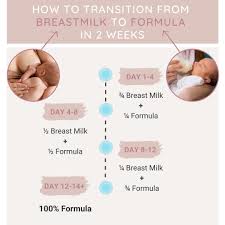
Begin by combining the new formula with your baby’s existing one, which should consist of 75% of the old formula and 25% organic formula. Over the course of the next week or two, gradually raise the proportion of organic formula until your baby has completely transitioned. Their stomach has time to become used to the new flavor and composition thanks to this gradual adjustment.
Pay attention to how your infant responds. Initially, any little variations in the color or consistency of the stool may be typical. However, speak with your doctor if you see excessive flatulence, rash, or ongoing pain. Since each baby’s digestive system is different, it might take some time to locate the ideal formula.
The Appropriate Organic Formula Selection
Not every organic formula is made equally. Examine the brand’s reputation and label before making a purchase. The finest organic baby milk formulas include ingredients that are as close to breast milk as possible, such as organic vegetable oils for healthy fats, natural lactose as the primary carbohydrate, and a well-balanced combination of vitamins and minerals.
Steer clear of recipes that contain maltodextrin or corn syrup solids as the first ingredient, since they are superfluous sweeteners. To boost immunity and intestinal health, look for solutions enhanced with probiotics and prebiotics. Organic-certified products for various developmental stages are available from well-known, reliable companies.
Goat milk-based organic formulas could be a kinder option if your child has a cow’s milk protein allergy, but always check with your physician first.
An Organic Step Toward Better Starts
Making the switch to organic formula is ultimately a personal choice that is influenced by your family’s lifestyle, your beliefs, and your baby’s medical requirements. Organic baby milk formula provides peace of mind for parents who value sustainable choices and clean nourishment. It’s a way to support ecologically friendly agricultural methods while providing your child with healthy, soothing ingredients.
One of the most significant decisions you will make as a parent is how to feed your child. Go slowly, remain vigilant, and have faith that each step you take toward mindful nutrition will help ensure your baby has a healthy and happy start in life if you choose to make the change.