Serving as an executor can be an important responsibility. When someone dies and leaves an estate, the executor may need to handle financial records, communicate with beneficiaries, address debts, manage property, and complete the legal steps required to settle the estate. Understanding the probate process can make the role less overwhelming.
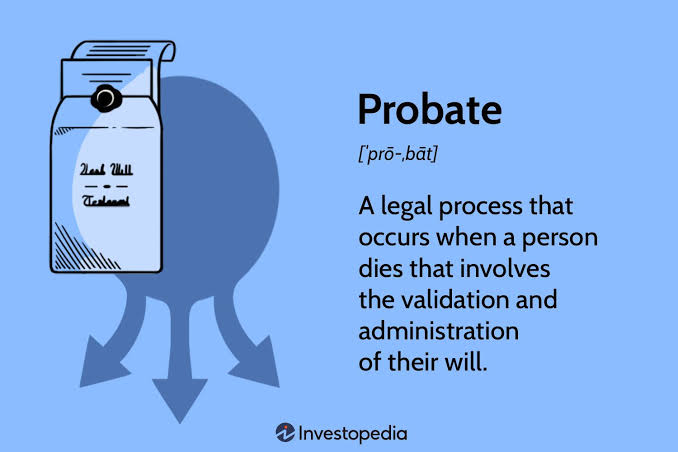
Probate is generally the legal process through which a person’s estate is administered after death. The exact steps can depend on the circumstances of the estate, the type of property involved, whether there is a valid will, and whether disputes arise among beneficiaries or other interested parties.
An executor named in a will does not necessarily have immediate authority to handle every estate matter simply because the person who died identified them in the document. The appropriate legal process generally needs to be followed before the executor can fully carry out the responsibilities associated with the estate.
For someone serving in this role, consulting a Bloomsburg Probate Executor Lawyer can help clarify the responsibilities involved. Executors may be unfamiliar with probate procedures, deadlines, creditor claims, tax issues, and other requirements. Professional guidance can help them understand what needs to happen and when.
One of the early responsibilities may involve locating the deceased person’s will and identifying important financial and legal documents. These may include bank statements, investment accounts, property records, insurance policies, retirement accounts, business documents, and outstanding bills.
The executor may also need to identify the estate’s assets. Creating an accurate inventory can help determine what property belongs to the estate and what may pass outside probate through beneficiary designations, joint ownership, trusts, or other arrangements.
Real estate can require particular attention. If the deceased owned a home or other property, the executor may need to determine whether it should be retained, transferred, or sold according to the estate plan and applicable legal requirements.
Debts and creditor claims are another part of estate administration. An executor may need to identify outstanding obligations and determine how legitimate debts should be handled. Estate funds may need to be used to satisfy appropriate expenses and obligations before assets are distributed to beneficiaries.
The executor should generally avoid distributing estate assets too quickly. Beneficiaries may be eager to receive property, but the estate may still have outstanding debts, taxes, expenses, or unresolved legal issues. Making distributions before the estate is ready can potentially create problems for the executor.
A Bloomsburg Estate Administration Lawyer can assist with the broader responsibilities involved in settling an estate. Estate administration can extend beyond probate itself and may require attention to property, financial accounts, taxes, creditor issues, beneficiary communications, and final distributions.
Communication with beneficiaries can also be important. Family members may have different expectations about the estate, particularly when a will distributes property in a way that some beneficiaries did not anticipate. Keeping appropriate records and providing required information can help reduce misunderstandings.
Some estates are relatively straightforward, while others are more complicated. A larger estate may include multiple properties, investments, business interests, or other assets that require additional work. Blended families can also create questions about beneficiaries and inheritance rights.
Tax considerations may arise during estate administration. Depending on the size and circumstances of the estate, federal or state tax obligations may need to be evaluated. Executors should understand which tax returns, if any, are required and when they must be filed.
The executor may also need to manage estate property while the probate process is underway. This could involve maintaining a home, paying necessary expenses, protecting valuable property, or dealing with insurance and utilities.
Pennsylvania probate procedures can involve specific documentation and court requirements. Executors should keep copies of important filings, account statements, receipts, correspondence, and other records related to the estate.
Not every asset necessarily goes through probate. Some property may transfer automatically to a surviving joint owner or named beneficiary. Retirement accounts and life insurance policies, for example, often have separate beneficiary arrangements. Understanding these distinctions is important when determining the actual scope of the probate estate.
Disputes can make the process more complicated. A beneficiary may challenge the validity of a will, question the executor’s actions, or disagree about how property should be distributed. In such situations, legal representation may become particularly important.
Executors also have responsibilities to the estate and its beneficiaries. They are expected to administer the estate according to applicable law and the governing documents. Because mistakes can potentially create personal liability or financial problems, executors should not hesitate to seek clarification when they are uncertain about a particular step.
The probate process can take time. The duration depends on factors such as the size of the estate, the number of assets, creditor issues, tax matters, disputes, and court requirements. Executors should avoid promising beneficiaries that distributions will occur by a particular date until the estate’s circumstances are clear.
Keeping an organized record of every financial transaction can make administration much easier. Executors should document money received by the estate, expenses paid, property sold, professional fees, and distributions made to beneficiaries.
Although serving as an executor can feel like a burden, careful organization and professional guidance can make the responsibility more manageable. Understanding the process helps an executor avoid unnecessary delays and recognize when a matter requires additional attention.
Probate is ultimately intended to provide a legal framework for settling a person’s affairs after death. Executors play an important role in that process, but they do not have to navigate every issue without assistance.
By gathering documents, identifying assets, addressing legitimate debts, maintaining accurate records, communicating appropriately with beneficiaries, and obtaining legal guidance when necessary, an executor can approach the administration of an estate with greater confidence and care.