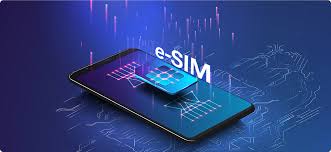
The evolution of technology has continuously reshaped the way individuals connect with the world around them. Among the latest advancements driving this change is the eSIM technology. Unlike traditional SIM cards, eSIMs are embedded into devices, offering unparalleled convenience and flexibility.
What is eSIM?
An eSIM, or embedded SIM, is a small chip embedded in a device that replaces the traditional, removable SIM card. It enables users to connect to various network providers without needing to physically change the SIM card. This technology is particularly beneficial for users who frequently travel or use multiple networks.
The Benefits of eSIM
One of the primary benefits of eSIM technology is the ability to switch between networks seamlessly. For users, particularly in regions like Australia, this means easy transitioning between different service providers without the need for multiple physical SIM cards. Furthermore, it offers a more streamlined experience when it comes to changing plans or updating network settings.
Convenience and Space Savings
eSIM technology eliminates the need for dedicated SIM card slots, reducing the physical space required in devices. This advantage is particularly valuable for manufacturers aiming to design smaller and more compact gadgets, enhancing the potential for innovation in device design.
Enhanced Security
Security is another crucial benefit of eSIM technology. With an eSIM, information is stored securely within the device, reducing the risk of loss or theft common with traditional SIM cards. Additionally, remote provisioning means that network settings can be updated over the air, minimizing physical intervention and potential tampering risks.
Global Travel Made Easy
For frequent travellers, eSIM offers significant advantages. With support for multiple network profiles, users can easily switch to a local network without incurring hefty roaming charges. This is particularly advantageous in areas where a network provider like Telsim offers robust connectivity options, making staying connected more convenient than ever.
Sustainability Considerations
As awareness of environmental issues grows, eSIM technology contributes positively by reducing the production and disposal of plastic SIM cards. By transitioning to an embedded model, the telecommunications industry can significantly lower its environmental footprint.
Challenges of Adopting eSIM
Despite its many advantages, there are challenges associated with eSIM technology. Device compatibility remains an issue as not all devices support eSIM. Furthermore, not every carrier offers eSIM services, which may limit its adoption in certain regions.
Consumer Education
Another challenge arises in consumer education and awareness. Many users are still unfamiliar with how to activate and manage eSIMs. Ensuring that consumers understand the benefits and are comfortable using the technology is crucial for widespread adoption.
The Future of eSIM Technology
The future of eSIM technology looks promising as more device manufacturers and network providers embrace this innovation. As this ecosystem expands, the possibilities for enhanced connectivity and consumer convenience continue to grow.
Integration with IoT Devices
The Internet of Things (IoT) also stands to benefit significantly from eSIM technology. As more devices become interconnected, the need for a flexible and efficient means of network connection grows. eSIM can play a vital role in this evolution, providing seamless connectivity across a multitude of devices.
Conclusion
Exploring the potential of eSIM technology reveals a plethora of benefits that could fundamentally change how connectivity is managed. By offering a practical solution for flexible, secure, and environmentally conscious networking, eSIM is poised to unlock new opportunities for innovation in both consumer electronics and telecommunications.