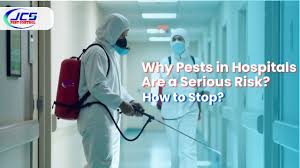
Imagine this familiar scene: a popular restaurant next door is shut down after a major pest violation. A few weeks later, the dental practice two doors down starts finding cockroaches in the ceiling voids and hearing scratching noises at night. It isn’t a coincidence. It’s a pattern that plays out across commercial strips and shopping centres, especially in dense urban areas.
Pests like cockroaches and rodents don’t respect property lines; they seek warmth, moisture and shelter wherever those conditions exist. In mixed-use commercial environments, one business’s pest problem can very quickly become the next-door clinic’s crisis.
How Pest Colonies Migrate When a Neighbouring Business Closes or Gets Treated
When a neighbouring business is aggressively treated for pests or closes due to violations, the pests don’t simply vanish. Cockroaches, rats and mice relocate to find new sources of food, water and shelter. These pests move along continuous structural pathways such as plumbing conduits, electrical wiring ducts, shared wall cavities and roof voids to reach adjacent tenancies.
Researchers studying pest ecology note that infrastructure common to multiple units provides natural “highways” that pests exploit to travel between spaces, bypassing treated areas and repopulating elsewhere.
Clinics, like dental practices, are particularly attractive destinations for migrating pest colonies because they often harbour conditions that pests favour, subtle moisture from sinks and wash stations, warm temperature-controlled interiors, and food remnants (such as from staff break rooms). Once pests establish inside these hidden voids and service spaces, infestations can spread rapidly and become difficult to eradicate without comprehensive treatment.
Why Reactive Treatment After Migration Is Already Too Late
By the time a pest, whether cockroaches or rodents, is spotted inside a clinical space, the problem has usually been brewing for weeks or months. Visible activity is often the late stage of a far more extensive and concealed infestation. Pests initially invade ceiling voids, wall cavities, drainage ducts and underfloor spaces where they are rarely seen by staff or patients. These concealed harbourage areas allow colonies to grow undisturbed.
Reactive treatment, waiting until pests are visible, rarely addresses the true scale of the problem. This is why Pest Control experts advocate for proactive strategies that include perimeter monitoring, barrier treatments and preventative measures around potential entry points.
Proactive pest management intercepts migrating pests before they reach critical clinical spaces and allows for targeted exclusion and habitat reduction, rather than patch-up treatments once damage is done.
The Impact on Clinical Operations
Pest migration into a health clinic is more than just a nuisance, it poses real operational, reputational and safety risks. Clinics rely on a sterile, professional environment to ensure patient trust and comply with health regulations.
Cockroach faeces, saliva and body parts can contaminate surfaces and trigger allergic reactions or asthma in sensitive individuals. Rodents carry pathogens that contaminate sterile areas and chew through wiring and infrastructure, leading to equipment damage and potential safety hazards.
For any patient searching for a “dental clinic near me”, even a single complaint about pests, whether mentioned in an online review or overheard in conversation, can undo years of reputation-building. A negative review mentioning pest sightings or disruption during an appointment can drive potential patients to competitors and erode confidence in the clinic’s hygiene standards.
Beyond reputation, pest activity often disrupts routine clinical operations. Treatments or appointments may need to be paused while pest technicians access treatment areas, sterilisation zones or patient waiting rooms. In worst-case scenarios, clinics may need temporary closure to address infestations, which leads to loss of revenue and patient inconvenience.
Warning Signs That Neighbouring Pest Activity Is Spreading
Pest migration isn’t random; there are early indicators that can signal emerging risk before infestations take hold within your clinic. If you notice increased pest sightings in common areas or shared hallways, it’s worth paying attention.
Frequent pest activity near external waste bins or garbage disposal areas often attracts rodents and cockroaches, which then explore adjoining spaces for new habitat. Visible bait stations or signage of pest treatment on neighbouring storefronts may also indicate active pest pressure nearby.
Changes in adjacent business activity, such as renovation, closure, sanitation issues or food service modifications, can influence pest behaviour. For example, a restaurant undergoing refurbishment may inadvertently expose gaps or temporarily remove barriers that previously contained pest populations, providing pests with opportunities to migrate into nearby premises. Being aware of these patterns helps clinics respond earlier rather than later.
How to Protect a Clinic From External Pest Migration
Health clinics can’t control what happens next door, but there are important steps they can take to defend their spaces:
Independent perimeter inspections are essential. These identify gaps, structural vulnerabilities or service penetrations where pests are likely to enter. Clinics should ensure that gaps between walls, utility lines and ceilings are sealed as thoroughly as possible to reduce ingress points.
Internal monitoring stations placed in high-risk zones such as ceiling voids, storage rooms and near plumbing can detect early pest movement before it becomes visible at ground level. Regular inspection by Pest Control professionals means issues can be dealt with quickly and discreetly, preventing escalation.
Communication with building management and neighbouring tenants is also important. Coordinated pest management across adjacent businesses reduces the likelihood of pests moving back and forth between units and supports a more effective, long-term solution for everyone involved.
Barrier treatments and exclusion measures, such as residual insecticide sprays, bait placement around potential perimeter access points, and elimination of external breeding sites like refuse areas, further reduce the chance of migration. Environmental pest management standards recommend a combination of habitat modification, sanitation and physical exclusion rather than relying solely on reactive chemical treatments.
Conclusion
A clinic’s pest risk is not limited to what happens within its own walls. In urban commercial environments, pests readily migrate from neighbouring businesses, especially when those businesses are treated aggressively, closed down, or left unmanaged. Clinics must recognise that a pest problem next door can become their problem overnight.
Proactive protection through regular inspection, robust sealing of entry points, internal monitoring and strategic Pest Control planning is essential in stopping pests before they compromise critical clinical operations or reputation. Partnering with professionals who understand commercial and healthcare-specific pest dynamics ensures that your clinic remains a safe, compliant and welcoming space for patients and staff alike.
FAQs
Can pests in neighbouring businesses really affect a clinic?
Yes. Pests often migrate through shared structural pathways like plumbing, electrical conduits and void spaces; infestations in one business can spread to adjacent units if not managed proactively.
Why do cockroaches and rodents target clinics?
Clinics offer warmth, moisture and shelter, conditions pests seek, and gaps near service conduits provide easy access.
Are visible pests in a clinic a sign of a bigger issue?
Visible sightings often indicate that pests have already established harbourage within concealed areas such as ceilings or wall cavities.
How often should a clinic schedule pest inspections?
Commercial health facilities should arrange regular inspections, ideally quarterly or more frequently in high-risk seasons, to detect early signs before infestations escalate.