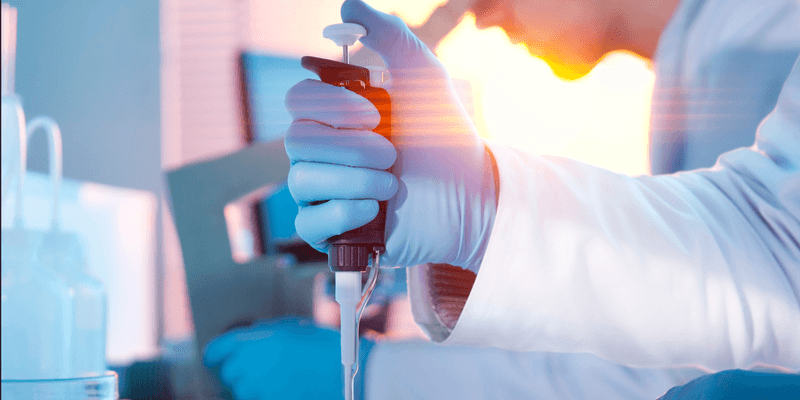
The role of advanced laboratory equipment in clinical and medical applications is paramount, particularly when it comes to achieving high precision and accuracy. One such critical piece of equipment is the laboratory pipettes. These tools are used extensively for the precise measurement and transfer of liquids in laboratories worldwide.
Laboratory pipettes come in various forms and styles, including single-channel, multi-channel, electronic, and mechanical variants. Each type caters to specific application needs in the fields of biochemistry, molecular biology, and medical diagnostics. The evolution of pipette technology has significantly enhanced the efficiency and reliability of these processes.
The Importance of Precision
In clinical settings, the accurate measurement of reagents and samples is vital for diagnostic testing and research. The slightest error in volume measurement can lead to significant shifts in experiment or test results, affecting outcomes in patient care and experimental conclusions.
Advanced pipettes ensure precision by employing cutting-edge technologies such as electronic volume adjustment, ergonomic designs, and precision-grade materials that minimise human error and fatigue.
Types of Advanced Pipettes
There are several types of laboratory pipettes, each designed to meet specific requirements. Single-channel pipettes are ideal for simple, straightforward applications, while multi-channel pipettes are used for high-throughput screening and assays. Meanwhile, electronic pipettes offer automated dispensing options, enhancing consistency across multiple tests.
Mechanical pipettes, although manual, are equipped with features that help laboratory professionals achieve the same level of precision as their electronic counterparts, particularly in environments where electricity is a limiting factor.
Applications in Clinical Diagnostics
Within clinical diagnostics, pipettes are a staple in immunoassays, PCR (Polymerase Chain Reaction), and ELISA (Enzyme-Linked Immunosorbent Assay). These techniques require exact volume measurements to ensure the success of the assays and the reliability of the results.
By employing advanced pipetting systems, laboratories can achieve repeatable and accurate measurements, thus improving the dependability of diagnostic tests and research outcomes.
Enhancing Laboratory Efficiency
One of the main advantages of modern laboratory pipettes is that they enhance laboratory efficiency. By reducing the time required for preparation and measurement, these tools allow laboratory personnel to engage in more consequential investigative tasks, thereby increasing the overall productivity and efficiency of the laboratory environment.
Techpack’s Contribution to Laboratory Solutions
Techpack Australia & glass bottles have long been at the forefront of providing high-quality laboratory solutions. Their range of pipettes and other laboratory equipment underscores their dedication to improving the precision and efficiency of clinical and research laboratories.
Techpack offers an array of products designed to meet the varying needs of medical and research institutions, ensuring that every tool performs to its expected standards of accuracy and reliability.
Considerations for Choosing Pipettes
When selecting pipettes for laboratory use, one must consider factors such as the volume range, the type of pipette, ergonomics, and the specific application requirements. Choosing the correct pipette not only advances precision but also enhances the comfort and efficiency of laboratory personnel.
The integration of pipetting instruments should also be aligned with the overall workflow and objectives of the laboratory to maximise their utility and effectiveness.
Training and Maintenance
To ensure the continued success of laboratory applications using pipettes, it is crucial to conduct regular training sessions for laboratory staff. This ensures that every user is adept at leveraging the features of these advanced instruments to their fullest potential.
Additionally, regular maintenance and calibration of pipettes are essential to maintain their accuracy and reliability over time. Routine checks can prevent costly errors and ensure seamless lab operations.
Future Directions in Pipette Technology
The future of pipette technology is promising, with ongoing advancements aimed at further enhancing precision, ease of use, and integration with digital data systems. This evolution is set to streamline the collection, management, and analysis of data within laboratory settings.
In conclusion, the development and deployment of advanced pipettes in clinical and medical settings is critical for achieving the high accuracy demanded by modern scientific inquiries and diagnostics. As such, institutions must continually adapt and integrate the latest technologies, like Techpack’s glass packaging solutions, to maintain their competitive edge in precision medicine and research.