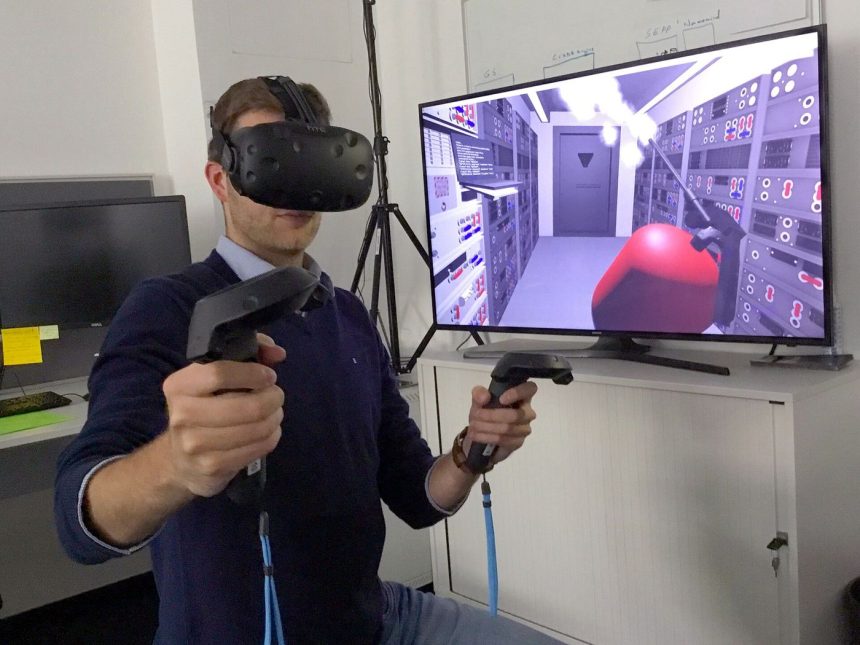
XREAL has begun shipping the Aura, the first glasses running Google’s Android XR platform, with sales starting in mid-November 2026. The glasses cost 1,099 dollars and come with a compute puck that the wearer carries in a pocket. They use Sony Micro-OLED displays with a 70-degree field of view, showing digital images overlaid on the real world. Android XR is Google’s operating system for headsets and glasses, built with Samsung and Qualcomm, and the Aura is the first wired pair of glasses to run it. The launch is a test of whether lightweight glasses, rather than bulky headsets, can bring extended reality to everyday users.
What the Evidence Shows
The device matters because the extended reality market has struggled to find a form people want to wear outside the home. Headsets are powerful but heavy and isolating, while earlier smart glasses were too limited to be useful. The Aura sits in between, offering a wide display in a glasses form, with the heavy computing moved to a pocket puck. Google’s backing gives developers a reason to build apps for Android XR, which the platform needs to succeed. The price is high for a first product, and the puck is an extra thing to carry. Early sales will show whether consumers want a screen on their face, or whether glasses remain a niche for enthusiasts. Reporting and analysis from sources such as Wired track the same developments, and specialists following the XREAL Aura Android XR glasses say the direction is now consistent across independent lines of evidence.
The Wider Context
The wider context is an industry learning to ship capability and restraint together. Products built around the XREAL Aura Android XR glasses now launch with safety evaluations, usage data and rollback plans as standard, because enterprise buyers and regulators ask for them in the first meeting. Companies that treated those questions as friction are discovering they have become the purchase criteria.
What Happens Next
What happens next for the XREAL Aura Android XR glasses depends less on another breakthrough than on the unglamorous work of reliability, pricing and support. The buyers evaluating it now are not enthusiasts; they are operators with budgets and auditors, and their checklists will decide the timeline. On the evidence of the current pilots, the technology has earned the right to be judged by them. You can follow related developments in our coverage of technology.
None of this will be settled by a single announcement, study or product launch. The pattern to watch is accumulation: independent confirmations, honest reporting of failures and steady improvement in the underlying numbers. Readers who follow those signals, rather than the loudest claim of the week, will understand this subject better than most of the commentary surrounding it suggests is possible.