The bird flu virus known as H5N1 has spent several years redrawing its own map. Once mainly a threat to poultry, the current strain has swept through wild bird populations on every continent, spilled into marine mammals from New England to Peru, surfaced in dairy cattle, and forced a wholesale revision of what influenza scientists thought they knew about the virus’s flexibility. The map of its presence is being drawn in real time by a surveillance effort with few precedents.
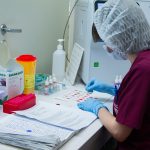
That effort looks like this: ornithologists sampling gull colonies, vets testing bulk milk tanks, wastewater monitors screening for influenza fragments, and genome sequencers uploading viral family trees within days of a detection. The result is something new in disease ecology — a near-live atlas of a wildlife pandemic, whose blank spaces say as much about where nobody is looking as where the virus is absent. Our science coverage follows the atlas’s revisions closely.
Why Wildlife Changed the Problem
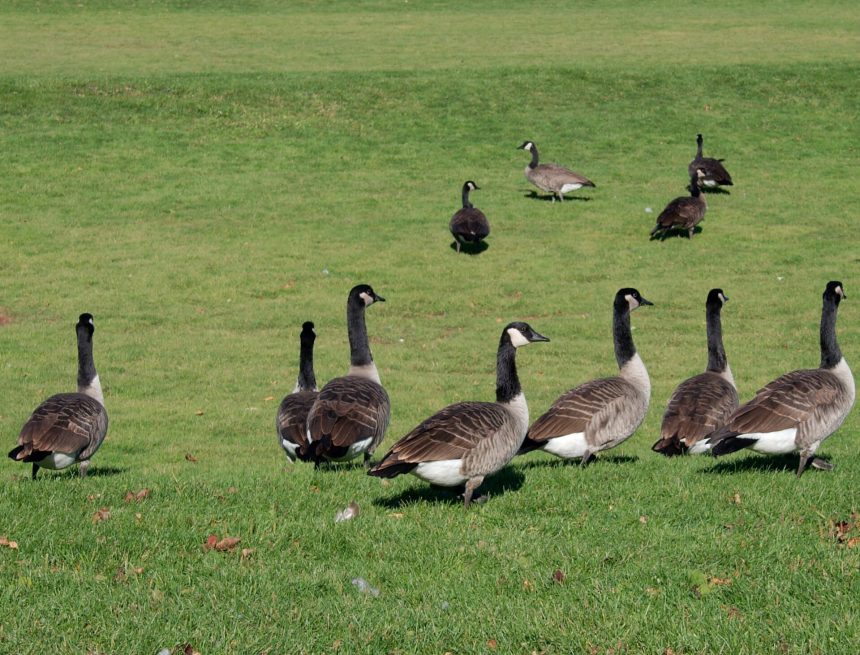
Poultry outbreaks can, at terrible cost, be stamped out by culling. A virus endemic in wild birds cannot be. It travels on migration routes, overwinters in wetlands, and returns each season with new genetic shuffles from co-infections. The spillovers into mammals — foxes, cats, sea lions, cows — are evolutionary auditions: each mammalian infection is a chance for the virus to adapt to mammalian bodies, which is why agencies such as the CDC and the World Organisation for Animal Health grade every new host jump for significance.
So far, the human chapter remains mercifully thin: scattered cases, mostly in people with close animal contact, and no sustained human transmission. But virologists are paid to imagine the version that learns that trick, and the surveillance map is the early-warning system for exactly that change.
The Surveillance We Have vs the Surveillance We Need
The gaps are geographic and financial. Wealthy countries sequence intensively; the flyways cross many places that cannot. Farm-level testing depends on farmers trusting that honesty will not bankrupt them. And wildlife surveillance competes for funding with every other emergency, usually losing in the quiet years when it matters most.
The Cows Changed the Questions
Nothing in the recent story unsettled scientists like the dairy cattle. H5N1 in cows — spread cow to cow, concentrated in udders, turning up in milk — was not in the influenza playbooks, and it rewrote several assumptions at once: about which species the virus can colonise, about food-system exposure routes, and about how much silent spread can precede detection when surveillance looks only where history says to look. Pasteurisation, testing confirmed, kills the virus in milk; the lesson was nonetheless absorbed across agriculture: the next influenza surprise is more likely to arrive in an unmonitored species than a watched one.
It also fused the surveillance worlds. Dairy testing regimes, bulk-tank sampling, farmworker monitoring and wastewater screening now form a single improvised system connecting barn to laboratory to public-health dashboard. Building such systems permanently — rather than improvising them per crisis and dismantling them after — is the unglamorous reform on which the entire One Health agenda now depends.
The surveillance gap is widest exactly where the risk is rising fastest: along the flyways of Central Asia and sub-Saharan Africa, where a single regional laboratory may serve an area the size of Western Europe. Funding a denser map, virologists argue, costs a fraction of one season’s poultry losses — let alone a pandemic — and the data doubles as basic ecology, tracking how migration itself is shifting under a warming climate.
The lesson of H5N1’s new map is that the animal and human health worlds cannot afford separate atlases. One Health — the doctrine that the health of people, livestock and ecosystems is a single subject — has had no better advertisement. The virus is already treating them as one system. Surveillance is learning to. More at greennewsdesk.com.