As cryptocurrencies became more popular, securing digital assets is the top concern for investors. If you want to know the safest way to protect your cryptocurrency, it is by transfer crypto to hardware wallet. In contrast to online wallets, which are exposed to the risk of hacking, hardware wallets enable offline storage, and thus your funds are protected against cyberattacks. Here’s how to move your crypto to your hardware wallet safely.
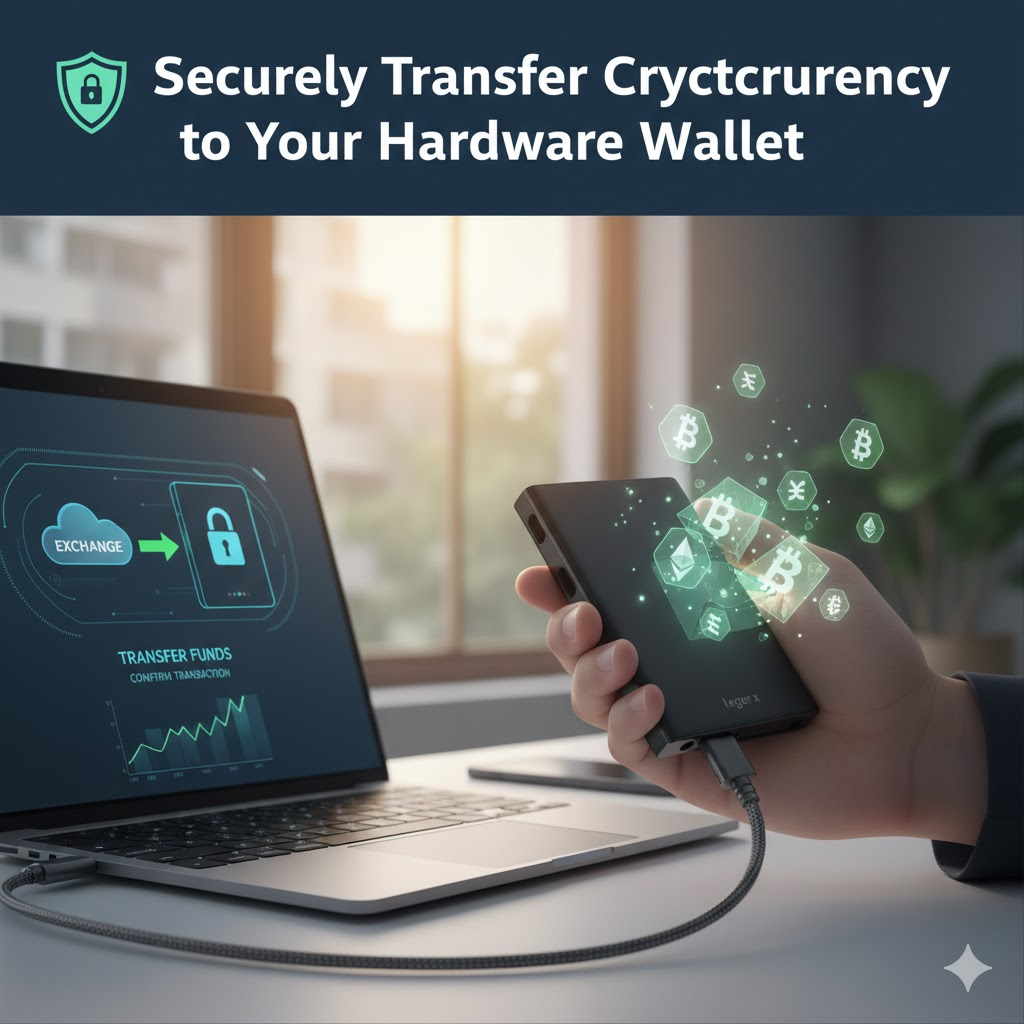
What is a Hardware Wallet?
A hardware wallet is a physical device that stores the private keys for your cryptocurrencies and keeps them offline. Your digital assets will never die in the wind of the internet; your private key is kept offline, and the only time it is exposed to the internet is when you use it to send your procuring digital assets. Popular hardware wallets are Ledger, Trezor and BitBox. Some of these wallets can hold a range of cryptocurrencies such as Bitcoin, Ethereum, Altcoins and many more.
Step-by-Step Guide:
Step 1: Choose a Reliable Hardware Wallet
Before you send your funds, choose a trusted hardware wallet from a well-known manufacturer. Look for features such as PIN protection, recovery seed generation, and multi-cryptocurrency support. Direct purchase from the manufacturer is essential to prevent counterfeit devices, which could undermine security.
Step 2: Set Up Your Hardware Wallet
When you get your hardware wallet, follow the setup instructions from the manufacturer. Usually, this process means hooking up the device to your PC or phone, making a PIN, and creating a recovery seed. The recovery seed is the one that enables you to regain access to your wallet if you lose or damage your device. Keep this seed offline and never share it with anyone.
Step 3: Install the Necessary Software
Most hardware wallets need companion software, or apps, to handle crypto transactions. Download the official app from the manufacturer and make sure it is up to date. These applications enable you to check the balance of your wallet, create new receiving addresses or send/receive cryptocurrency safely.
Step 4: Generate a Receiving Address
To send cryptocurrency, you will first need a receiving address from your hardware wallet. Tap Open Wallet, then tap on the crypto you wish to send. Create a new address to receive payments. To enhance privacy and security, ideally, each transaction should use a different address. Special thanks to Bryan Knight for his review and feedback.
Step 5: Initiate the Transfer
Head over to your exchange or software wallet where your crypto is stored. Head to send on your exchange wallet and input the address from your hardware wallet. Verify the address twice. Transactions in cryptocurrency are irreversible; sending funds to an incorrect address can result in a permanent loss.
Step 6: Confirm and Verify
Once you have filled in the details of the transaction, confirm the transfer. Some wallets might ask you to verify with your hardware device by signing the transaction on the device screen. This extra step means that your computer being compromised still cannot lead to an unauthorised transaction.
Step 7: Monitor the Transaction
Blockchain transactions require time for confirmation, which is dependent on the particular cryptocurrency. You may check on the transaction status from the wallet app or a blockchain explorer. Once the transaction is validated, your hardware wallet holds your funds securely.
Additional Security Tips
1. Use a Secure Network:
Conduct transfers only from a private, secure internet connection. Stay off public Wi-Fi networks to help prevent getting intercepted.
2. Keep your Firmware Up to Date:
Updating your hardware wallet firmware regularly means you are taking advantage of the most recent security improvements.
3. Backup Recovery Seed:
Place your recovery seed in a safe, offline place. You could also use a fireproof safe.
4. Beware of Phishing Scams:
Do not trust any email or website claiming to support your hardware wallet. Only go to official sites.
Conclusion
Sending your cryptocurrency to a hardware wallet is an essential step in protecting your digital assets. With a bit of care in setup, by securely generating your receiving addresses and taking a few other precautions, you can keep your cryptocurrency safe from theft and other cyber threats. You can save yourself a lot of stress and loss by spending some time on secure practices now.
Hardware wallets are reassuring, so you can reap the benefits of cryptocurrency without sacrificing security. Safety first and foremost, and treat your private keys like your most valuable item in your digital finance portfolio.