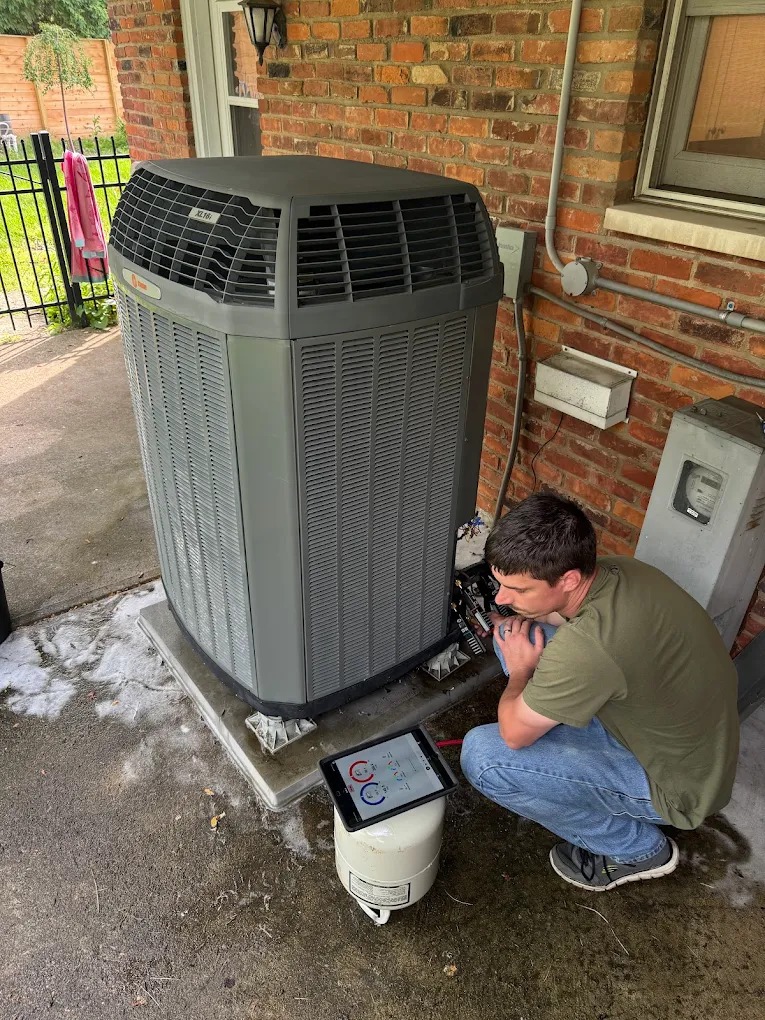
For decades, property owners and facility managers viewed heating and cooling as a necessary capital expenditure. You purchased equipment, ran it until it broke, and paid for repairs. That outdated model is rapidly giving way to a more intelligent approach known as HVAC-as-a-Service (HVACaaS). By combining Internet of Things (IoT) sensors, cloud computing, and advanced analytics, the industry is shifting from selling physical hardware to delivering guaranteed comfort and energy efficiency as a continuous product. This subscription-based framework allows building operators to avoid massive upfront costs while ensuring systems run at peak performance. Understanding this transition is critical for anyone looking to optimize infrastructure operations and reduce long-term energy consumption.
Decoding the Mechanics of Climate Control Subscriptions
At its core, the service-based HVAC model flips the traditional purchasing script. Instead of bearing the burden of ownership, maintenance, and eventual replacement, businesses and homeowners subscribe to a comprehensive package. The provider installs highly efficient, sensor-equipped systems and assumes responsibility for their ongoing performance.
This operational expense (OpEx) model aligns the incentives of both the provider and the user. Because the service company maintains ownership of the hardware, they are inherently motivated to install the most durable, energy-efficient units available. They also rely on continuous monitoring to prevent catastrophic failures, which cost significantly more to fix than replacing a minor part proactively. As a result, users experience fewer breakdowns, lower utility bills, and consistent indoor air quality. It changes the dynamic from a transactional relationship to a long-term technological partnership focused entirely on sustained performance.
The Shift from Reactive to Predictive Maintenance
The true engine driving this new service model is predictive maintenance. Traditional HVAC servicing relies heavily on a break-fix approach or arbitrary calendar-based checkups. Technicians might inspect a furnace every November, regardless of how many hours it actually ran or whether internal components clearly show signs of wear.
Modern systems utilize continuous data streaming to eliminate this guesswork. Sensors embedded within ductwork, compressors, and air handlers measure vibration frequencies, airflow variations, and minute temperature fluctuations. Machine learning algorithms analyze these data points against historical models to detect anomalies before a physical breakdown occurs. If a fan motor begins drawing slightly more amperage than usual, the system flags it. When looking for a reliable partner to implement these advanced monitoring protocols, engaging a knowledgeable team like Paradise Heating and Cooling ensures that sophisticated hardware integrates seamlessly with your existing ductwork and electrical framework. Catching a deteriorating component weeks before it fails completely saves thousands of dollars in emergency repairs and prevents disruptive downtime.
Economic Advantages Beyond the Initial Installation Phase
Transitioning to a service-based framework fundamentally changes how organizations manage their capital budgets. High-efficiency commercial chillers and advanced residential heat pumps require substantial initial investments. Many facilities delay necessary upgrades due to these steep price tags, ultimately forcing them to operate aging, inefficient systems that drain electricity and require constant patching.
Removing the upfront capital expenditure barrier accelerates the adoption of green technologies. Facilities can immediately upgrade to top-tier equipment without depleting cash reserves. Furthermore, the fixed monthly or annual subscription fee creates predictable operational budgets. Property managers no longer need to maintain bloated contingency funds for unexpected compressor failures or sudden boiler replacements. The service agreement covers parts, labor, and emergency interventions. This financial predictability is invaluable for scaling businesses and managing multi-family residential complexes where overhead costs must remain tightly controlled.
Debunking Myths Around Smart Hardware Contract Models
A common misconception surrounding HVACaaS is that it strips control away from the property owner. Some fear that relying entirely on a third-party provider for climate management means losing the ability to adjust settings or respond to immediate occupant needs.
In reality, these systems grant users more granular control than legacy thermostats ever could. Subscription models come paired with intuitive dashboard interfaces accessible via mobile devices or desktop applications. Users maintain full authority over zone temperatures, scheduling, and occupancy overrides. The provider manages the complex mechanical performance running in the background, not your daily temperature preferences. Another frequent misunderstanding is that service models are only viable for massive, sprawling commercial skyscrapers. The underlying technology has scaled down rapidly. Even smaller regional operators and mid-sized businesses can leverage these subscription frameworks to optimize their environments without needing an on-site facility manager.
Integrating Internet of Things Architecture Into Everyday Systems
The backbone of absolutely any successful service-oriented climate model is its network connectivity. Every modern unit installed under these agreements acts as an active node within a larger digital ecosystem. This architecture enables features like remote diagnostics, where engineers can adjust expansion valves or modify blower speeds through a cloud portal without rolling a truck to the site.
To fully benefit from this architecture, buildings must have stable internal networks and updated electrical panels capable of supporting smart hardware. Upgrading a facility often requires a comprehensive audit of existing infrastructure. Partnering with a skilled hvac Company in Dayton can help local property owners bridge the gap between legacy wiring and modern IoT requirements. Proper integration ensures that data flows uninterrupted from the rooftop unit to the centralized analytics engine, maximizing the predictive capabilities of the entire network.
Preparing for the Next Generation of Comfort
Embracing a service-driven approach transforms routine temperature management into an advanced, highly data-backed operational asset. Organizations that adopt these subscriptions gain unmatched reliability. They unlock massive operational efficiencies while leaving outdated, reactionary maintenance practices permanently far behind.