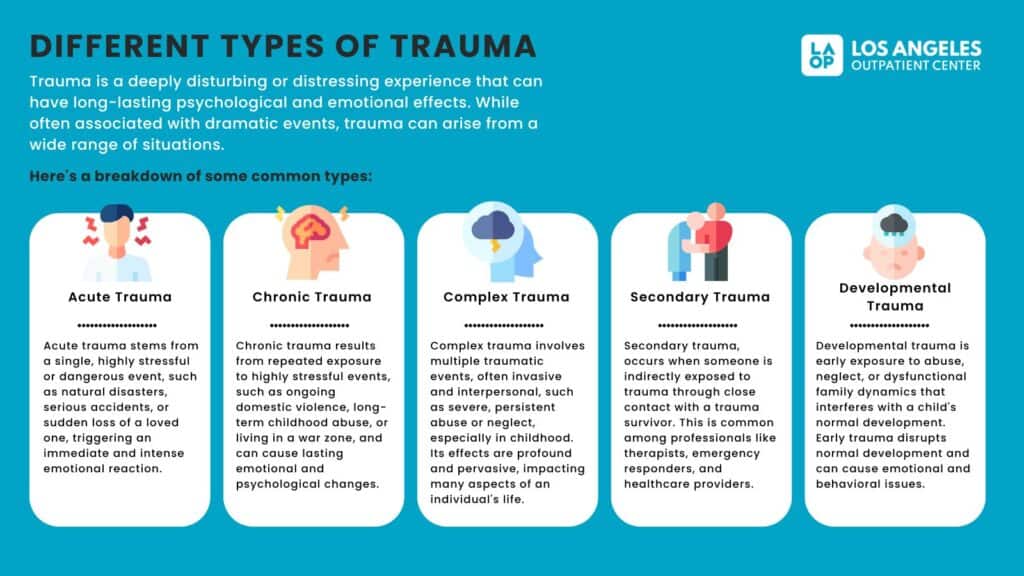
Trauma is one of the most complex experiences the human mind navigates. Whether it stems from a single incident or years of repeated exposure, trauma leaves an imprint that affects the nervous system, memory, relationships, and daily functioning. The good news is that trauma treatment has evolved significantly over the past few decades. Today, there are several evidence-based approaches that help people process and move through traumatic experiences, each working through a different pathway.
Not every approach works for every person. Trauma shows up differently depending on when it occurred, how long it lasted, and how the individual’s nervous system responded. This is why understanding the range of available treatments matters. Knowing your options allows you to ask better questions, make informed decisions, and find a path forward that fits your needs and your history.
What Makes a Treatment Trauma-Informed
Before exploring specific modalities, it helps to understand what sets trauma treatment apart from general therapy. Trauma-informed care recognizes that many psychological and behavioral challenges are rooted in past experiences of threat or harm. A trauma-informed therapist understands how the nervous system stores distress and approaches treatment with safety, trust, and the client’s pace at the center. This foundation applies across all of the approaches described below.
EMDR (Eye Movement Desensitization and Reprocessing)
EMDR is one of the most well-researched trauma treatments available. Developed in the late 1980s, it uses bilateral stimulation – typically guided eye movements, tapping, or auditory tones – to help the brain reprocess distressing memories. The theory is that traumatic memories can become stuck, stored in a fragmented way that keeps the nervous system on alert. Through sets of bilateral stimulation paired with brief attention to the memory, EMDR helps the brain integrate the experience so it no longer triggers the same level of distress.
EMDR does not require the client to narrate the traumatic event in detail, which makes it accessible for people who struggle to put their experiences into words. Research supports its effectiveness for PTSD, single-incident trauma, complex trauma, and a range of anxiety-related presentations. It is recognized by the World Health Organization and the American Psychological Association as an evidence-based trauma treatment.
Trauma-Focused Cognitive Behavioral Therapy (TF-CBT)
Trauma-Focused CBT is a structured approach that helps clients understand the connection between thoughts, feelings, and behaviors within the context of their trauma history. Originally developed for children and adolescents, it is now widely used with adults as well. TF-CBT typically involves psychoeducation about trauma responses, skills for managing distress, and a gradual approach to processing the traumatic narrative. The cognitive component helps clients identify distorted beliefs that formed in response to trauma – such as feelings of guilt, shame, or a sense of permanent danger.
Somatic Therapy
Trauma lives in the body. This is a central principle of somatic approaches to treatment. Somatic therapy focuses on physical sensations, posture, breath, and movement as pathways to processing traumatic experience. Because the nervous system stores threat responses physically, talk-based approaches alone sometimes do not reach the deeper layers of a trauma response. Somatic therapy helps clients develop awareness of their physical experience and learn to complete stress cycles that were interrupted at the time of the original event.
Somatic Experiencing, Sensorimotor Psychotherapy, and body-based mindfulness practices all fall under this umbrella. These approaches are particularly useful for people who feel emotionally stuck despite years of traditional talk therapy, or who notice that their trauma response is primarily physical – chronic tension, hypervigilance, fatigue, or a persistent disconnection from the body.
Cognitive Processing Therapy (CPT)
CPT is a structured, skills-based treatment developed specifically for PTSD. Over the course of 12 sessions, clients learn to examine and challenge their stuck points – beliefs that developed as a result of trauma and that now interfere with recovery. Common stuck points involve themes of safety, trust, power and control, self-esteem, and intimacy. CPT involves written exercises that help clients practice identifying and shifting these patterns between sessions. Its structured format makes it a good fit for people who prefer a clear, step-by-step approach to processing their experience.
Prolonged Exposure Therapy
Prolonged Exposure is another evidence-based treatment for PTSD. It works by helping clients gradually approach the memories, feelings, and situations they have been avoiding since the traumatic event. Avoidance is one of the most common and reinforcing symptoms of trauma – the more we avoid, the more the nervous system learns to treat the avoided thing as dangerous. Prolonged Exposure systematically reduces that avoidance through a combination of in-session processing and real-world exercises called in vivo exposure, which involves gradually reengaging with safe situations that have become linked to trauma reminders.
Finding the Right Fit
There is no single best trauma treatment. Research supports multiple approaches, and one of the most important factors in any treatment outcome is the quality of the therapeutic relationship. Beyond that, the best fit depends on individual factors: the nature and timeline of the trauma, personal preferences around structure versus flexibility, comfort with body-based work versus cognitive work, and how a person’s nervous system tends to respond under stress.
If you are exploring trauma treatment for the first time, the most important step is connecting with a therapist who specializes in trauma and who takes time to understand your history before recommending an approach. Ask about their training, the models they use, and what a typical session looks like. A good trauma therapist will meet you where you are and help you build the safety needed to do this work at a pace that feels right for you.