Drone footage has transformed modern video content. From brand films to events and real estate showcases, Drone Video Production adds motion, scale, and cinematic energy that ground cameras cannot achieve. But impressive aerial visuals do not happen automatically. Many creators assume that flying a drone and pressing record is enough. In reality, poor planning and technical errors can ruin an otherwise promising shoot. Understanding common mistakes helps ensure your final footage looks professional rather than amateur.
Ignoring Pre-Flight Planning
One of the biggest mistakes is skipping proper planning. Pilots sometimes arrive on location without checking airspace restrictions, weather conditions, or obstacles. This leads to delays, unsafe flying, or unusable shots. Strong winds can cause shaky footage, while restricted zones may prevent flying entirely.
Avoid this by researching the location in advance. Check local drone regulations, evaluate the terrain, and use weather apps to monitor wind speed and lighting conditions. Planning flight paths before takeoff helps you capture smooth, purposeful movement instead of random clips.
Poor Camera Settings
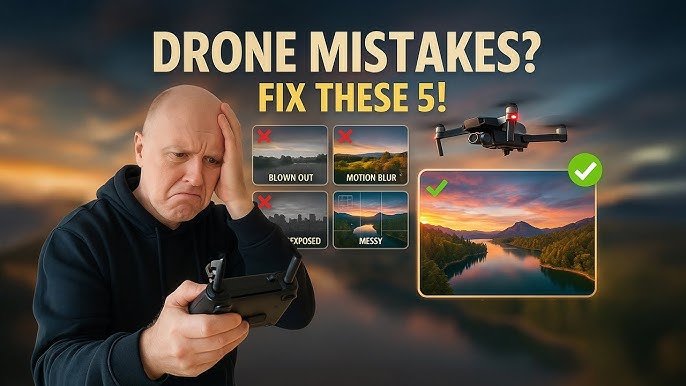
Many beginners rely on automatic camera modes, which often produce inconsistent exposure and color. Sudden brightness shifts or blown-out skies can make footage look unprofessional. Fast shutter speeds also create choppy motion that feels unnatural.
To fix this, learn manual camera basics. Use a low ISO, adjust shutter speed to match frame rate, and apply ND filters in bright conditions. Locking white balance prevents color changes mid-shot. These simple adjustments dramatically improve video quality.
Flying Without a Story
Another common issue in Drone Video Production is capturing beautiful but meaningless shots. Sweeping aerial views look impressive, but without purpose, they add little value to the final edit. Random clips make the video feel disconnected.
Think like a storyteller. Ask what the drone shot is meant to show. Is it revealing a location, following action, or building emotion? Plan sequences that connect with ground footage. Each flight should serve a clear narrative role.
Overusing Fast or Complex Movements
FPV and advanced drones allow dramatic maneuvers, but overdoing them can overwhelm viewers. Constant spins, dives, and rapid direction changes may look flashy but often feel chaotic.
Smooth and controlled movement is more cinematic. Use slow pushes, gentle reveals, and steady tracking shots. Save complex moves for moments that truly need impact. Balance excitement with watchability.
Neglecting Safety and Legal Rules
Rushing into the air without safety checks is risky. Flying too close to people, buildings, or vehicles can lead to accidents and legal trouble. Some creators forget to maintain a visual line of sight or exceed altitude limits.
Always follow aviation guidelines in your region. Keep a safe distance from crowds, monitor battery levels, and perform equipment checks before each flight. Responsible flying protects both your gear and your reputation.
Forgetting Sound and Post Production Needs
Drone cameras rarely capture usable audio because of propeller noise. Some videographers forget this and end up with silent footage that feels incomplete. Others shoot without considering how the clips will be edited later.
Plan for sound separately, whether through voiceovers, music, or ground-recorded audio. Shoot extra establishing shots and varied angles to give editors flexibility. Thinking ahead saves time during post-production.
Conclusion
Great aerial footage is not just about owning a drone. It requires preparation, technical knowledge, and creative intention. By avoiding planning mistakes, mastering camera settings, focusing on storytelling, and flying safely, you can elevate your Drone Video Production from basic to cinematic. Small improvements in approach often make the biggest difference on screen.