Modern manufacturing industries are constantly seeking ways to improve product performance, reduce weight, and increase efficiency. From electric vehicles and automotive systems to electronic devices and industrial equipment, manufacturers are increasingly adopting lightweight materials that can deliver strength, durability, and reliability.
Among these materials, aluminum has become one of the most widely used options due to its excellent strength-to-weight ratio, corrosion resistance, thermal conductivity, and machining performance. However, producing complex aluminum components with tight tolerances requires advanced manufacturing technologies.
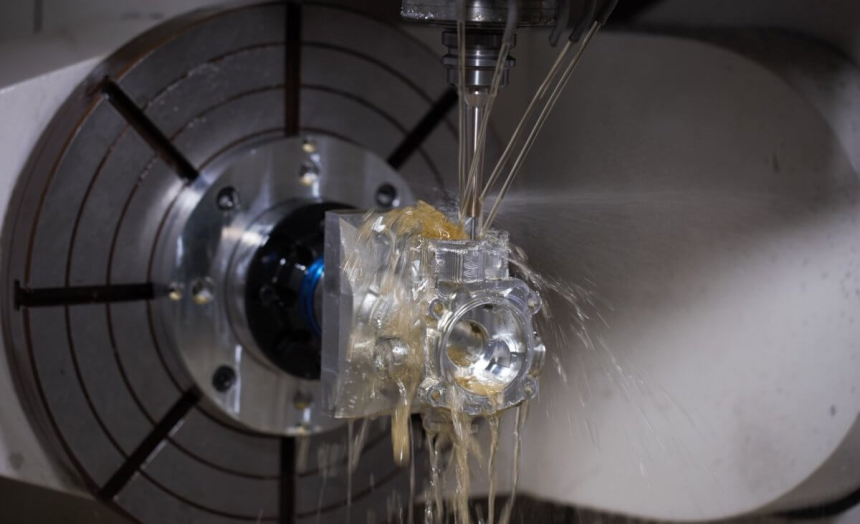
Aluminum CNC machining has become an essential solution for manufacturers that need accurate, repeatable, and high-quality aluminum parts. By combining computer-controlled machining processes with advanced tooling and engineering expertise, manufacturers can produce lightweight components that meet demanding requirements across multiple industries.
Why Aluminum Has Become an Important Material in Modern Manufacturing
Aluminum offers a unique combination of mechanical and physical properties that make it suitable for a wide range of applications.
One of the biggest advantages of aluminum is its lightweight nature. Compared with many traditional metals, aluminum components can significantly reduce overall product weight while maintaining structural strength. This is particularly important in industries such as automotive manufacturing, where reducing vehicle weight can improve energy efficiency and driving performance.
In addition, aluminum provides:
- Excellent corrosion resistance
- Good thermal conductivity
- High machinability
- Attractive surface finishing options
- Strong recyclability
These advantages have made aluminum a preferred material for automotive components, electronic enclosures, heat dissipation parts, aerospace structures, and industrial equipment.
However, producing precision aluminum parts requires careful control of machining parameters, tooling selection, and manufacturing processes. This is where advanced CNC machining technology becomes essential.
The Role of Aluminum CNC Machining in Precision Component Production
CNC machining enables manufacturers to transform aluminum materials into complex components with high dimensional accuracy and consistent quality.
Through computer-controlled milling, turning, and multi-axis machining processes, manufacturers can produce parts with:
- Complex geometries
- Tight dimensional tolerances
- Smooth surface finishes
- Consistent repeatability
Unlike traditional machining methods, CNC technology allows manufacturers to efficiently produce both prototypes and production quantities while maintaining strict quality requirements.
Modern aluminum CNC machining solutions are widely used for applications including automotive brackets, industrial components, electronic housings, structural parts, and customized precision components.
aluminum precision CNC machining
Advanced CNC machining processes also allow engineers to optimize part designs by reducing unnecessary material, improving weight efficiency, and creating complex structures that would be difficult to manufacture using conventional methods.
For industries focused on lightweight design and performance improvement, precision aluminum machining provides an effective way to balance strength, functionality, and manufacturing efficiency.
Aluminum Machining Applications in Automotive and Electronics Industries
The demand for lightweight and high-performance components continues to grow in automotive and electronics manufacturing.
Automotive Applications
The automotive industry has been one of the major drivers behind the increased use of aluminum components. As manufacturers develop electric vehicles and fuel-efficient transportation solutions, reducing weight has become a key engineering objective.
CNC-machined aluminum parts are commonly used for:
- EV structural components
- Automotive brackets
- Transmission components
- Engine and powertrain parts
- Thermal management components
High-precision machining ensures that these components meet strict dimensional requirements while maintaining durability during operation.
Electronics Applications
In the electronics industry, aluminum is widely used because of its lightweight properties and excellent heat dissipation capability.
Electronic products often require protective housings that are:
- Lightweight
- Strong
- Dimensionally accurate
- Thermally efficient
Precision aluminum housings help protect sensitive internal components while supporting better thermal management and product reliability.
For complex electronic devices and industrial equipment, precision aluminum housings provide an effective solution for combining mechanical protection with lightweight design.
These applications can be found in communication equipment, industrial electronics, automation systems, and consumer technology products.
Challenges in Manufacturing Thin-Wall Aluminum Components
While aluminum is known for its excellent machinability, manufacturing thin-wall components presents unique challenges.
Thin aluminum structures are lightweight and efficient, but they can be more sensitive to machining forces and thermal effects. Without proper process control, thin-wall parts may experience:
- Material deformation
- Vibration during machining
- Dimensional instability
- Surface quality issues
To overcome these challenges, manufacturers must carefully optimize:
Tool Selection
Selecting the appropriate cutting tools helps reduce cutting forces and improves surface quality.
Machining Parameters
Spindle speed, feed rate, and cutting depth must be optimized to prevent excessive stress on thin structures.
Fixture Design
Proper workholding methods are essential to maintain stability without damaging delicate components.
Process Control
Advanced CNC equipment and inspection methods help ensure that finished parts meet required specifications.
For lightweight applications requiring complex geometries, thin-wall aluminum CNC machining provides manufacturers with the ability to create strong yet lightweight components while maintaining precision.
thin-wall aluminum CNC machining
How Precision Manufacturing Improves Product Development
Modern product development requires manufacturers to balance performance, cost, and production efficiency.
CNC machining provides several advantages throughout the product development process:
Faster Prototyping
Engineers can quickly produce functional aluminum prototypes to validate designs before mass production.
Design Flexibility
CNC machining supports complex geometries and customized designs, allowing engineers to optimize product performance.
Consistent Production Quality
Advanced CNC systems provide repeatable results, making them suitable for both small-batch production and larger manufacturing programs.
Reduced Development Risk
By testing precision-machined prototypes early, companies can identify design issues and improve product reliability before full-scale production.
This flexibility makes CNC machining an important technology for industries that require continuous innovation.
Future Trends: Lightweight Materials and Advanced Manufacturing
The demand for lightweight and precision-engineered components will continue to increase as industries move toward smarter and more efficient products.
Several trends are shaping the future of aluminum manufacturing:
Electric Vehicle Development
EV manufacturers continue to adopt lightweight aluminum components to improve battery efficiency and vehicle range.
Advanced Electronics
Smaller and more powerful electronic devices require precision housings and thermal management solutions.
Smart Manufacturing
Industry 4.0 technologies, automation, and digital manufacturing systems are improving machining efficiency and quality control.
Sustainable Production
Aluminum’s recyclability makes it an attractive material for companies focusing on environmentally responsible manufacturing.
As these trends continue, precision CNC machining will remain a critical technology for producing reliable aluminum components.
Conclusion
Aluminum has become a vital material for modern manufacturing because of its lightweight characteristics, durability, and versatility. However, achieving the precision required for advanced applications depends on reliable machining technologies and manufacturing expertise.
From automotive components to electronic housings and lightweight structures, aluminum CNC machining enables manufacturers to create high-performance parts with excellent accuracy and consistency.
As industries continue to demand lighter, stronger, and more efficient products, advanced aluminum machining solutions will play an increasingly important role in the future of global manufacturing.