Picking a floating pond pump feels harder than it should be. You’re staring at specs that might as well be written in another language. GPH ratings, head height, power consumption. Most people just guess and hope for the best.
That’s a mistake. The wrong pump turns your peaceful pond into a maintenance nightmare. Too weak, and you get stagnant water that breeds algae. Too strong, and you’re wasting energy while your fish hides from the current. Get it right, and your water feature practically takes care of itself.
Understanding Floating Pond Pumps
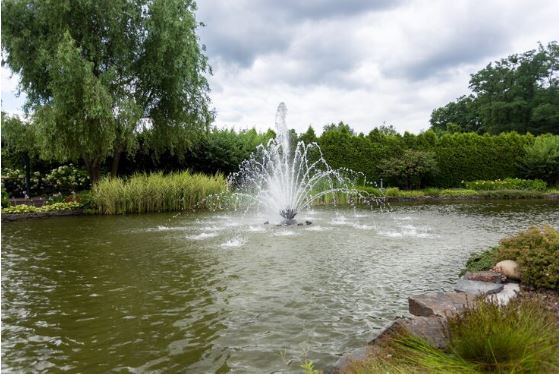
Floating pond pumps sit on the surface and create movement through fountains or spray patterns. They’re different from submersible pumps that stay hidden at the bottom. Both move water, but floating pumps give you visible action. Spray patterns, cascading effects, the stuff people actually notice.
Match Pump Size to Your Pond
Start with your pond size. A small garden pond needs less power than a half-acre lake. Most pumps list their GPH rating, which stands for gallons per hour. That number tells you how much water the pump moves in 60 minutes.
Here’s where people mess up. They calculate their pond volume and match it to a pump’s GPH. Sounds logical. But your pond doesn’t need its entire volume cycled every hour unless you’re running a commercial fish farm. For a decorative water feature, you want the water cycled once every two to three hours. Maybe faster if you have fish, slower if it’s just plants and aesthetics.
A 1,000-gallon pond works fine with a 400-500 GPH pump for basic circulation. You’re not draining and refilling the thing. You’re keeping water moving so it doesn’t turn into a swamp.
Why Fountain Height Matters
Fountain height matters more than you think. That spec sheet mentions “head height” because pumps lose pressure as they push water upward. A pump rated for 500 GPH at zero feet might only deliver 300 GPH when pushing water three feet high.
Check the manufacturer’s chart. They usually show GPH at different heights. If you want a spray that reaches four feet, make sure the pump still has enough flow at that height. Otherwise, you get a sad dribble instead of a fountain.
Power Consumption and Running Costs
Power consumption is the cost nobody thinks about until the electric bill arrives. Floating pumps run constantly during warm months. A 100-watt pump running 12 hours a day adds up fast. Look for energy ratings, but don’t sacrifice too much power just to save a few dollars monthly. A weak pump that can’t do the job costs more in the long run when you have to replace it.
Spray Patterns and Nozzle Options
Most floating pond pumps come with interchangeable nozzles. Spray patterns range from simple bubbling effects to elaborate tiered displays. Pick based on your pond’s size and your tolerance for splash. A wide spray pattern in a small pond means you’re watering the grass more than aerating the water.
Durability and Weather Resistance
Durability separates cheap pumps from ones that last. UV-resistant housing matters if your pump sits in direct sunlight all day. Plastic degrades, seals crack, and suddenly you’re shopping again next season. Metal components corrode in water, so look for stainless steel or quality plastic that’s rated for outdoor use.
Seasonal Maintenance and Winter Storage
Winter storage is something people forget until November. Can you easily remove the pump? Some floating designs stay in place year-round if your pond doesn’t freeze solid. Others need to come out before the first hard freeze. If you’re not the type to remember seasonal maintenance, get a pump that tolerates cold weather.
Installation Requirements
Cord length seems minor until you’re setting things up. Most floating pumps need power, and that outlet isn’t always conveniently placed. Measure the distance from your pond to the nearest GFCI outlet. Running extension cords across your yard looks bad and creates trip hazards. You might need an electrician to install an outdoor outlet closer to the water.
Installation is usually simple. Floating pumps sit on the surface, tethered to the bottom or anchored to prevent drifting. Make sure the anchor system works for your pond depth. Too shallow, and the pump might hit bottom during operation. Too deep, and the fountain effect weakens.
Considerations for Fish Ponds
Fish change the equation. They produce waste, which means you need better circulation than a purely decorative pond. More fish equals more waste equals more demand on your pump. Koi mainly produce a lot of waste. A floating fountain helps by adding oxygen and creating surface agitation, but it’s not a replacement for proper filtration.
Speaking of filtration, some floating pumps include basic filter screens. These catch leaves and debris before they clog the impeller. Clean these screens regularly, or your pump loses efficiency. Clogged pumps work harder, use more energy, and die sooner.
Noise Levels and Placement
Noise level matters if your pond sits near a patio or bedroom window. Some pumps hum louder than others. Reviews usually mention this. A quiet pump costs a bit more but saves you from that constant background drone all summer.
Water Quality Impact on Performance
Water quality affects pump lifespan. Ponds with heavy algae or sediment clog pumps faster. If your water looks like pea soup, address that before blaming the pump. A floating fountain helps prevent algae by keeping water moving, but it’s not magic. You still need to manage nutrients and balance your pond ecosystem.
Warranty and Long-Term Value
Warranty coverage tells you something about quality. A company that offers a two or three-year warranty believes their product lasts. One-year warranties or no coverage at all suggests they expect failures. Read the fine print about what’s covered. Some warranties exclude damage from freezing or improper installation.
Planning for Future Needs
Think about future needs too. Your pond might change. You add more plants, more fish, maybe expand the size later. A pump with adjustable flow settings gives you flexibility. You can dial it down for delicate plants or crank it up when you add a school of goldfish.
Making the Right Choice
The right floating pond pump keeps your water clear and your fish healthy without constant intervention. Match the GPH to your pond size, account for spray height, and choose quality components that survive sun exposure and daily use. Take ten minutes to read actual user reviews instead of just looking at star ratings.
Your pond deserves better than guesswork.