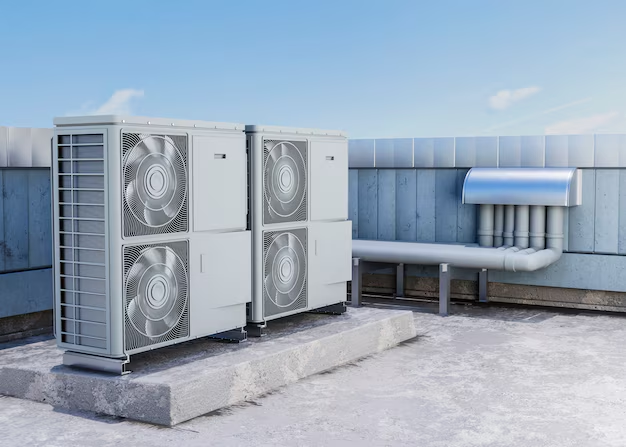
You might think your air-conditioning system is just part of the building. It cools the office in summer, keeps staff comfortable, and that’s that. But there’s a legal side to it that catches many property owners off guard.
If your building has air-conditioning with a combined cooling capacity over 12kW, you need to get a TM44 inspection. This isn’t optional. It’s a legal requirement under UK building regulations. Missing it can lead to fines, compliance issues during property transactions, and potential problems with insurance claims.
The system was introduced to improve energy performance in commercial buildings. Every five years, a qualified energy assessor must inspect your air-conditioning system and issue a certificate. This certificate gets lodged on the Landmark Register, which is the official UK database for building compliance.
Who Actually Needs a TM44 Certificate?
The rules apply to most commercial properties. Office buildings, retail spaces, hotels, and industrial facilities all fall under the requirement. Even schools and hospitals need them if they meet the cooling capacity threshold.
Here’s where it gets tricky. The 12kW threshold isn’t about individual units. It’s the combined capacity of all air-conditioning equipment in the building. You might have several smaller units that together exceed the limit. Many building owners don’t realise they’re non-compliant until it’s pointed out during a property sale or lease negotiation.
Some buildings are exempt. Residential properties don’t need TM44 certificates. Systems that only provide heating are also excluded. But if you have a reversible heat pump that cools in summer, you probably need an inspection.
What Happens During a TM44 Inspection?
An assessor will visit your property and evaluate the entire cooling system. They check the age and condition of equipment, look at maintenance records, and assess how efficiently the system operates. The inspection typically takes a few hours, depending on the size and complexity of your setup.
The assessor produces a report with recommendations. Some are about improving energy performance. Others might highlight maintenance issues or suggest system upgrades. You don’t have to implement every recommendation immediately, but the report shows areas where you could reduce running costs or improve reliability.
After the inspection, the certificate gets uploaded to the Landmark Register. You should receive a copy for your records. Keep this safe because you’ll need to show it to potential buyers, tenants, or during compliance audits.
The Five-Year Cycle and How to Track It
TM44 certificates are valid for five years. After that, you need another inspection. The problem is that many people lose track of when the next one is due. You buy a property with an existing certificate, five years pass, and suddenly you’re non-compliant without realising it.
Setting a reminder two months before expiry makes sense. This gives you time to book an inspection without rushing. Some buildings need emergency inspections when deadlines are missed or when certificates are requested urgently for transactions. These can be arranged quickly, but planning ahead is always better.
If you manage multiple properties, tracking becomes even more important. Each building has its own inspection schedule. A simple spreadsheet or calendar system helps avoid missing deadlines across your portfolio.
Why Non-Compliance Creates Real Problems
The fine for not having a valid TM44 certificate has increased recently. Enforcement is becoming stricter as the government pushes for better energy standards in commercial buildings. But the financial penalty isn’t the only risk.
Property transactions often stall when compliance documents are missing. Buyers and their solicitors will request proof of TM44 certification during due diligence. If you can’t provide it, the sale can be delayed while you arrange an inspection. Some buyers use missing certificates as a negotiation tool to reduce the purchase price.
Lease renewals can hit the same obstacle. Commercial tenants expect landlords to maintain all building certifications. Missing a TM44 certificate might breach lease terms or create disputes about who is responsible for obtaining one.
Insurance is another grey area. While insurers don’t always explicitly require TM44 certificates, non-compliance with building regulations can affect claims. If a cooling system fails and causes damage, and you don’t have a valid inspection certificate, questions might be raised about whether proper maintenance was being carried out.
How TM44 Differs from EPC and F-Gas
Many people confuse TM44 with other building compliance requirements. An Energy Performance Certificate (EPC) assesses the overall energy rating of a building. It covers heating, lighting, insulation, and other factors. A TM44 certificate focuses only on air-conditioning systems.
F-Gas regulations are different again. These deal with refrigerant gases used in cooling equipment. F-Gas inspections check for leaks and ensure gases are handled correctly. If your air-conditioning system contains fluorinated gases, you need both F-Gas compliance and a TM44 certificate. They’re separate requirements with different inspection schedules.
Understanding which certificates apply to your building prevents confusion. Most commercial properties need an EPC. If you have air-conditioning over 12kW, add TM44 to the list. If your system uses F-Gas refrigerants, that’s a third layer of compliance.
Planning Your Next Inspection
Booking a TM44 inspection isn’t complicated, but it does require access to the building and some preparation. Make sure maintenance records are available. If you’ve had recent work done on the cooling system, have those documents ready. The assessor will want to see the service history and any upgrades.
Choose a time when the inspection won’t disrupt business operations too much. The assessor needs to access plant rooms, view outdoor units, and inspect control systems. Coordinating with your facilities team helps the process run smoothly.
After the inspection, read the report carefully. Some recommendations can improve energy costs significantly. Others might highlight equipment nearing the end of its lifespan. This information helps with budgeting for future maintenance or replacements.