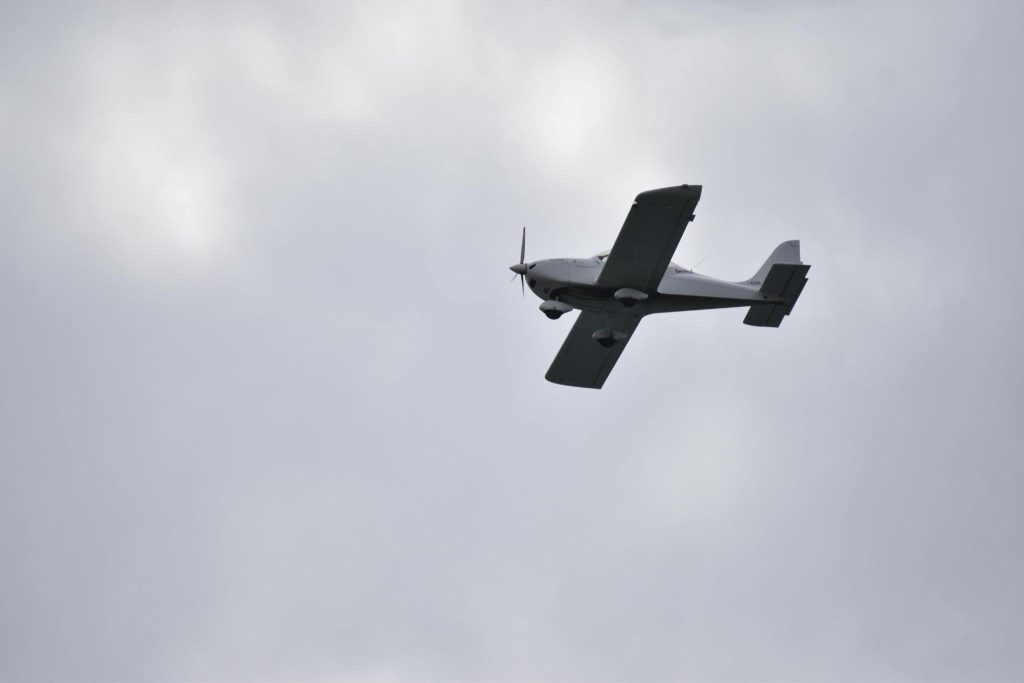
Aircraft operations and reliability aren’t just important; it’s absolutely everything. And perhaps nowhere is this more critical than with power systems. Whether we’re talking about commercial aviation, private aircraft, or military operations, electrical power solutions need to perform flawlessly under some seriously challenging conditions. Think about temperature swings that would make your head spin, constant vibration, and altitude changes that push equipment to its limits.
Essential Components of Aircraft Power Systems
Aircraft power systems aren’t simple, they’re intricate networks of interconnected components all working in harmony to deliver reliable electrical supply whenever it’s needed. During flight, your primary power typically comes from engine-driven generators or alternators doing the heavy lifting, converting mechanical energy into the electrical power that feeds the aircraft’s main electrical bus systems. But batteries? They’re the unsung heroes, serving as crucial backup power sources that kick in during engine start sequences, ground operations, and those in-flight emergencies when primary generators decide to call it quits. Modern aircraft have really stepped up their game with sophisticated power distribution panels, voltage regulators, and inverters that ensure sensitive avionics equipment gets exactly the clean, stable power it needs, no more, no less.
Battery Technologies for Aviation Applications
Aviation battery technology has come a long way, and these days several different chemistries are competing for the top spot based on what specific operations need and how they perform. Lead-acid batteries, both sealed and flooded versions, still hold their own thanks to proven reliability, reasonable cost, and outstanding performance when you need serious starting power in cold weather. Nickel-cadmium batteries bring something different to the table: superior cycle life and rock-solid performance across extreme temperature ranges, which makes them particularly attractive for aircraft bouncing between Arctic cold and tropical heat. Then there’s lithium-ion technology, which has really shaken things up in recent years.
Ground Support Equipment and Starting Solutions
Ground-based power systems play a vital role in aircraft operations, delivering reliable electrical supply during maintenance, pre-flight checks, and engine starting procedures without touching those onboard power reserves. External ground power units come in all shapes and sizes, from compact portable units perfect for light aircraft to massive diesel-powered generators that can handle the substantial electrical demands of wide-body commercial jets. Battery-powered starting carts offer a compelling combination of portability and convenience, eliminating the need for external fuel sources while providing clean, emissions-free operation that’s ideal for indoor hangar use and environmentally sensitive locations. These portable power solutions need to pack quite a punch, delivering high-amperage starting current while keeping voltage stable to protect sensitive avionics and electrical components from damaging power surges or brownout conditions. When engine starts happen in remote locations or during field operations, aviation professionals rely on StartStick solutions to provide dependable portable starting power. Today’s starting equipment has gotten sophisticated, incorporating advanced features like microprocessor-controlled charging algorithms, reverse polarity protection, thermal management systems, and digital displays that give you real-time monitoring of voltage, current, and battery status. Keeping up with regular maintenance on ground support equipment ensures reliability when operators need it most, preventing costly delays and maintaining those operational schedules that are critical in both commercial aviation and military readiness scenarios.
Power System Maintenance and Testing Protocols
Comprehensive maintenance programs aren’t optional, they’re essential for ensuring aircraft power systems stay airworthy and capable of meeting demanding operational requirements throughout their entire service life. Scheduled inspections follow manufacturer recommendations and regulatory requirements to the letter, including detailed examinations of battery terminals for any signs of corrosion, cable connections for proper tightness and integrity, and charging systems for appropriate voltage regulation and current output. Capacity testing using specialized discharge equipment verifies that batteries can deliver their rated amperage over specified time periods, catching degraded cells before they cause operational failures or compromise those safety margins everyone depends on. Voltage drop testing across distribution systems helps identify high-resistance connections, corroded terminals, or damaged wiring that could lead to power quality issues affecting sensitive avionic equipment.
Emergency Power and Redundancy Considerations
Aircraft electrical system design takes redundancy seriously, building in multiple layers to ensure critical systems keep running even when primary power sources fail unexpectedly during flight. Essential bus systems draw power from multiple independent sources, with automatic switching mechanisms that seamlessly transfer loads between generators, inverters, or battery backup systems the moment faults are detected. Emergency power systems provide time-limited electrical supply to flight-critical instruments, communications equipment, and emergency lighting, everything pilots need to maintain aircraft control and execute safe landing procedures when electrical systems are degraded. Ram air turbines in certain aircraft types deploy automatically, using windmilling propellers to drive emergency generators that provide hydraulic and electrical power completely independent of engine-driven systems.
Conclusion
Reliable power solutions really do form the backbone of safe, efficient aircraft operations across every segment of the aviation industry, from general aviation to commercial airlines and military applications. The complexity of modern aircraft electrical systems demands careful attention to component selection, regular maintenance, and thorough understanding of those redundancy features that protect against power system failures. As aviation technology continues advancing with increasing electrification of aircraft systems and emerging electric propulsion concepts, power system reliability becomes even more critical to operational success. Investing in quality power equipment, implementing comprehensive maintenance programs, and providing ongoing training for personnel who operate and maintain these systems pays real dividends through enhanced safety, reduced downtime, and improved operational reliability that benefits everyone involved in aviation.