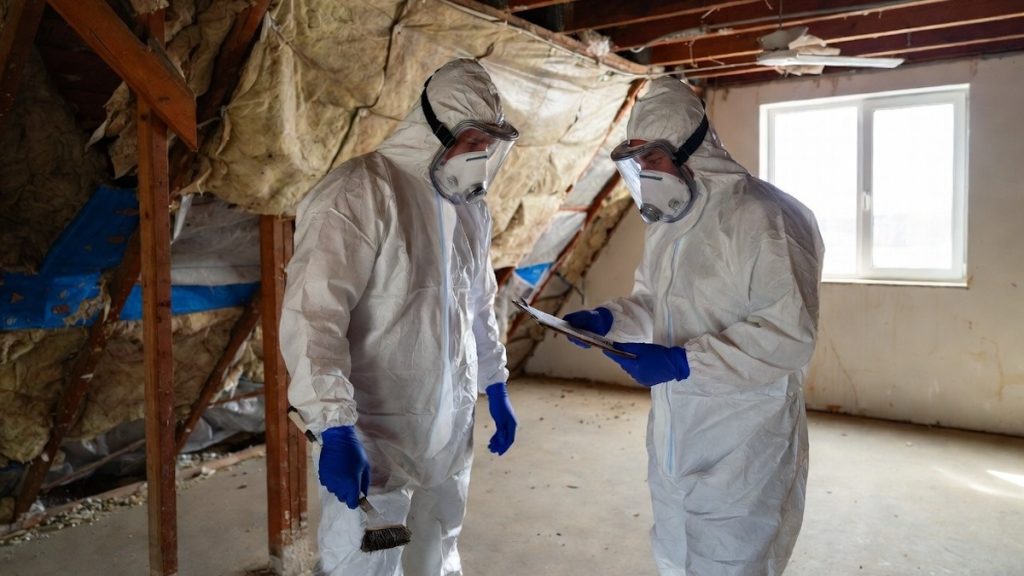
Here’s a clear, practical comparison of mold remediation standards relevant to homeowners in South Florida. These mold remediation guidelines help decide when to handle small issues yourself versus when to call licensed professionals—especially after the recent heavy rains that have caused leaks in local homes.
Key Frameworks Compared
Mold remediation draws from several sources, but the main ones homeowners encounter are:
- EPA Guidelines (Mold Remediation in Schools and Commercial Buildings, plus homeowner cleanup advice): These are federal recommendations, not strict regulations. They focus on practical, size-based responses and emphasize fixing moisture sources first.
- IICRC S520 Standard (ANSI-accredited Standard for Professional Mold Remediation): This is the leading industry consensus standard used by many certified professionals nationwide. It prioritizes physical removal of mold over chemical “killing” and uses a condition-based approach (Condition 1: normal ecology; Condition 2: settled spores from growth; Condition 3: actual active growth).
- Florida State Requirements (Chapter 468, Part XVI, Florida Statutes): Florida is one of the few states with mandatory licensing through the Department of Business and Professional Regulation (DBPR). It builds on EPA ideas but adds strict rules for who can work and how projects are structured.
Licensing and Who Can Perform the Work
- EPA: No licensing required. Homeowners can handle small areas themselves. Professionals should have experience, but no specific credential is mandated federally.
- IICRC S520: No state-level licensing required by the standard itself, but many professionals hold IICRC certifications (e.g., AMRT – Applied Microbial Remediation Technician) as a mark of training. It focuses on qualifications, safety, and documentation.
- Florida: Strict and unique. For mold growth over 10 square feet, both assessment (inspection/testing) and remediation (removal/cleanup) must be done by separately licensed individuals. A licensed Mold Assessor (MRSA) cannot perform remediation on the same job (and vice versa) for at least 12 months. Contractors must carry at least $1 million in liability insurance, complete ongoing education, and pass state exams. Work under 10 sq ft can often follow EPA homeowner guidance without a license.
This separation of roles is designed to prevent conflicts of interest and ensure objective assessments—something not required under pure EPA or IICRC guidelines.
How Remediation Approach Is Determined
- EPA: Uses a straightforward size-based system for containment and personal protective equipment (PPE):
- <10 sq ft: Often DIY with basic cleaning (detergent/water, dry thoroughly). Minimal containment.
- 10–100 sq ft: Limited containment, more PPE.
- 100 sq ft: Full containment, professional help strongly recommended. Emphasis is on source removal, drying, and preventing spread. Biocides are not the primary solution.
- IICRC S520: Rejects simple square-footage rules. Instead, it assesses “Conditions” based on settled dust analysis and actual growth. Remediation always prioritizes physical removal of contaminated materials rather than encapsulation or spraying alone. It includes detailed protocols for containment, engineering controls, cleaning methods, and post-remediation verification (PRV) to confirm the area meets normal fungal ecology. Antimicrobials and coatings are secondary tools only.
- Florida: Aligns closely with EPA’s size threshold for triggering licensed work (>10 sq ft). It does not dictate one specific protocol but requires professionals to follow accepted industry practices (often IICRC S520 or similar). Assessors provide a written protocol before remediation begins, and the process must address the underlying moisture cause. Post-remediation clearance is common, though not always mandated by statute.
Common Principles Across All Mold Remediation Standards
All approaches agree on these fundamentals:
- Fix the moisture source first—otherwise, mold will return.
- Physical removal beats killing or covering mold.
- Dry materials thoroughly and quickly (mold can start growing in 24–48 hours in humid South Florida air).
- Use proper containment and PPE to avoid spreading spores.
- Porous materials (carpet, drywall, insulation) often need removal if heavily contaminated.
- HVAC systems require special care and usually professionals.
Practical Implications for South Florida Homeowners
After storms like the recent ones in early April, many local homes in areas like El Cid, Flamingo Park, or near the Intracoastal see leaks turn into hidden mold behind walls or in attics. Here’s what this means on the ground:
- Small patches (<10 sq ft): You can usually clean these yourself following EPA tips—scrub hard surfaces with detergent and water, dry completely, and improve ventilation. Wear an N95 mask, gloves, and goggles.
- Larger or hidden issues: Hire a Florida-licensed Mold Assessor first for an independent evaluation. Then bring in a separate licensed Mold Remediator. Look for pros who also hold IICRC certifications for best practices. Avoid companies that offer both assessment and remediation on the same job.
- Insurance and documentation: Take dated photos, keep moisture readings, and get everything in writing. Florida’s rules help strengthen claims, but policies often exclude neglect-related issues.
- Local climate factor: South Florida’s high humidity and salt air make drying harder and mold growth faster than in drier regions. Professionals familiar with coastal Florida homes understand these challenges better than out-of-state crews.
In short, EPA offers accessible homeowner guidance, IICRC S520 sets detailed professional best practices, and Florida law adds mandatory licensing and role separation for consumer protection. For anything beyond a small, visible spot, using licensed local experts who follow recognized mold remediation guidelines (often blending IICRC with state rules) is the safest route to protect your home and health.
If you’re dealing with storm-related leaks right now, start by stopping the water, drying the area aggressively with AC and fans, and calling a licensed assessor if the affected zone looks like it exceeds 10 square feet or you smell that telltale musty odor. Acting fast can keep a minor headache from becoming a major renovation.