The Role of a Caregiver in an Aging World
The growing population of elderly individuals across the globe has created a rising need for compassionate and skilled caregivers. As people live longer, they often face challenges such as reduced mobility, memory loss, or chronic illnesses that require ongoing assistance. A caregiver for the elderly plays a vital role in ensuring that aging individuals maintain their dignity, independence, and comfort in their later years. This role is not merely a job but a calling that demands empathy, patience, and dedication.
Caregivers often serve as the bridge between medical professionals and the family, ensuring that the elderly person receives proper attention in every aspect of life. They help manage daily routines, monitor medication, and provide emotional support that promotes mental and physical well-being. By maintaining consistent care, caregivers allow the elderly to enjoy a higher quality of life while easing the emotional and physical burdens placed on families. In a world that often prioritizes speed and efficiency, the caregiver’s gentle approach offers stability and warmth.
The Emotional Connection Between Caregiver and Senior
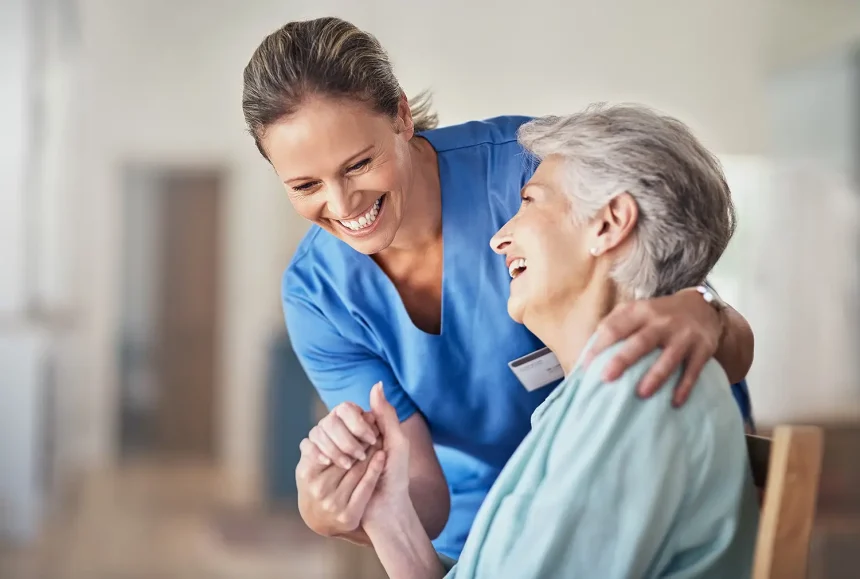
Beyond the physical tasks involved in caregiving, the emotional bond that develops between the caregiver and the elderly individual is one of the most profound aspects of this role. Many seniors experience loneliness, especially when family members live far away or when mobility limitations restrict social interactions. A caregiver often becomes a trusted companion and confidant, providing emotional comfort that is just as essential as medical care.
This emotional connection builds mutual respect and trust, helping the elderly feel valued and understood. When a caregiver listens patiently, shares meaningful conversations, or participates in simple activities like reading or walking together, they help combat depression and isolation. These small yet significant gestures create a sense of belonging and joy in the life of an elderly person. The compassion and emotional intelligence displayed by caregivers can transform what might otherwise be a lonely journey into one filled with care, laughter, and human warmth.
The Daily Responsibilities and Challenges of Caregiving
Being a caregiver for the elderly is a full-time commitment that requires balancing numerous responsibilities. From assisting with personal hygiene, dressing, and meal preparation to ensuring proper medication schedules, caregivers perform a variety of duties that sustain daily living. They often need to handle household chores, schedule doctor appointments, and monitor the senior’s health to detect early signs of illness. Their role requires adaptability and a keen awareness of the elderly person’s changing needs.
However, caregiving also presents emotional and physical challenges. It can be exhausting to manage constant responsibilities, particularly when caring for seniors with conditions like dementia or Alzheimer’s disease. Many caregivers experience burnout if they do not receive proper rest or emotional support themselves. Yet despite these difficulties, most caregivers continue their work out of deep compassion and commitment. Their ability to remain patient and resilient in the face of demanding circumstances is a testament to their strength and humanity.
The Importance of Professional Training and Support
To provide the highest quality of care, professional training for caregivers is essential. Caregiving goes far beyond kindness—it requires practical knowledge of medical procedures, first aid, communication techniques, and the psychology of aging. Many professional caregivers undergo specialized courses that prepare them to manage emergencies, administer medications safely, and handle complex health conditions. These skills help ensure that elderly individuals receive safe and reliable care.
Additionally, training helps caregivers maintain professional boundaries while still offering emotional warmth. It also emphasizes cultural sensitivity and ethical considerations, ensuring that all seniors, regardless of background, are treated with dignity. Governments and healthcare organizations worldwide have begun investing in training programs to enhance the caregiving workforce. Support networks and workshops can also help caregivers share experiences, reduce stress, and access resources for mental health. The combination of professional training and emotional support ensures that caregivers can sustain their mission with skill and compassion.
The Future of Elderly Care and the Evolving Role of Caregivers
As the global population continues to age, the demand for caregivers is expected to increase dramatically. With technological advancements and the growth of home healthcare services, caregiving is evolving to meet modern needs. Devices such as health monitoring systems, digital reminders, and telemedicine platforms now assist caregivers in providing more efficient and safer care. These innovations not only improve the quality of life for seniors but also reduce the workload on caregivers.
However, technology can never replace the human touch that defines true caregiving. The emotional depth, patience, and empathy that a caregiver brings remain irreplaceable. The future of elderly care lies in combining human compassion with smart solutions to create an environment where seniors feel secure and respected. Society’s recognition of caregivers as essential contributors to community well-being is also growing. Better wages, working conditions, and acknowledgment of their emotional labor are gradually being prioritized. This evolution marks a hopeful step toward a world where caregivers receive the respect and support they truly deserve.
The Essence of Dignity in Caregiving
At the heart of every act of caregiving lies the principle of dignity. Elderly individuals often struggle with losing independence, and a sensitive caregiver ensures that their sense of self-worth remains intact. Simple gestures like asking permission before offering help, respecting privacy, and encouraging seniors to make choices about their daily routines can have a profound impact on their confidence and happiness.
Dignity-centered caregiving also means viewing the elderly not as patients, but as individuals with rich histories, personalities, and preferences. When caregivers show genuine interest in their stories and respect their opinions, they foster a relationship rooted in empathy rather than obligation. This approach transforms care from a series of tasks into an exchange of humanity and kindness. Upholding dignity allows both caregiver and senior to share a mutual sense of fulfillment, creating a relationship based on respect and compassion that transcends age.
The Family Connection and Shared Responsibility
While professional caregivers play a crucial role, family members also share responsibility in elderly care. The collaboration between families and caregivers ensures that the elderly person’s physical and emotional needs are consistently met. When families actively participate—by visiting, communicating, and showing appreciation for the caregiver’s work it strengthens the support system and creates a sense of unity.
For family members, entrusting their loved ones to caregivers can be a sensitive decision. Building open communication and trust helps alleviate worries and fosters teamwork. Caregivers who work closely with families gain a deeper understanding of the senior’s preferences, habits, and health conditions, allowing for more personalized care. This partnership benefits everyone involved, as it promotes emotional security for the elderly, peace of mind for the family, and professional satisfaction for the caregiver.
The Rewarding Nature of Caregiving
Despite the many challenges, caregiving for the elderly remains one of the most rewarding professions. It offers opportunities for personal growth, emotional enrichment, and the joy of making a meaningful difference in someone’s life. Every smile, every shared story, and every expression of gratitude from an elderly person reminds caregivers of the value of their work.
Caregiving teaches valuable lessons in patience, empathy, and the power of human connection. It shows that compassion can be a powerful force that transforms both the giver and the receiver. In a world often focused on achievement and speed, caregivers embody the beauty of slowing down to offer care and comfort. Their quiet strength and unwavering kindness illuminate the profound truth that caring for the elderly is not just about assistance—it is about honoring life itself.