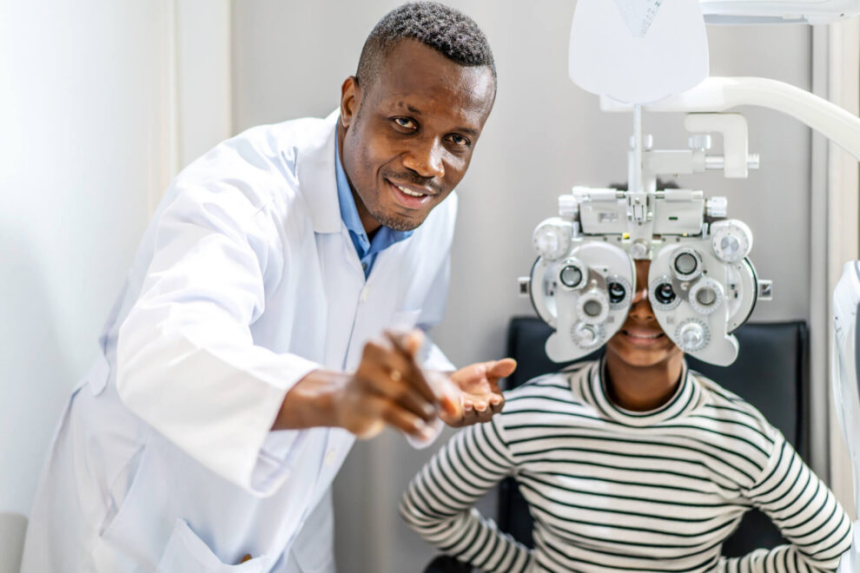
Myopia, or nearsightedness, occurs when the eyeball is longer than normal or the cornea curves too much, causing distant objects to appear blurry. The rising prevalence is linked to increased screen time, reduced outdoor activity, and academic pressure. Both genetic and environmental factors play a role. Children are especially at risk because their eyes are still developing.
Why Early Myopia Control Matters
Early intervention can significantly slow the progression of myopia in children. When left unmanaged, myopia may progress rapidly and increase the risk of complications such as retinal detachment or glaucoma later in life. Controlling myopia early helps preserve vision and reduces long-term dependency on high-power glasses. Parents are encouraged to monitor changes in their child’s eyesight and schedule regular eye exams.
Lifestyle And Environmental Adjustments
Simple daily habit changes can make a noticeable difference in slowing myopia progression. Spending at least two hours outdoors each day helps reduce eye strain and encourages healthy eye development. Limiting continuous near work, taking regular breaks, and maintaining proper screen distance also support visual comfort. Proper lighting during study sessions and reducing prolonged digital use benefit both children and adults.
Specialized Myopia Control Glasses
Myopia-control glasses use advanced lens designs that redirect peripheral light to slow eye elongation, one of the main causes of myopia progression. These lenses look like regular glasses but offer therapeutic benefits. Children may adapt quickly to the lens style, and the glasses can be used throughout the day. They are particularly useful for mild to moderate myopia.
Soft Multifocal Contact Lenses For Myopia Management
Soft multifocal contact lenses have specialized zones that help reduce eye strain and slow myopia progression. These lenses are worn during the day and provide clear distance and near vision. Many children above a certain age adapt well to contact lenses under supervision. Adults with progressing myopia may also benefit. Regular follow-ups ensure proper fit, hygiene, and eye health. Multifocal lenses provide flexibility and are an effective option for individuals with active lifestyles or sports activities.
Orthokeratology (Ortho-K) Night Lenses
Orthokeratology lenses reshape the cornea temporarily while the patient sleeps. By morning, vision is clear without the need for glasses or daytime lenses. Ortho-K is especially helpful for children with rapidly progressing myopia and for adults who prefer a non-surgical alternative. The results last throughout the day, provided the lenses are worn nightly. Regular monitoring ensures the cornea remains healthy and maintains proper shape.
Low-Dose Atropine Eye Drops For Children
Low-dose atropine drops have become a widely studied and effective method for slowing myopia progression in children. These drops help reduce the rate of eye elongation without significantly affecting pupil size or near vision. They are typically used daily and prescribed under the guidance of an eye specialist. Atropine therapy is often combined with glasses or other methods for improved results.
Laser Vision Correction Options For Adults
Adults with stable myopia may consider laser vision correction procedures such as LASIK, PRK, or SMILE. These treatments reshape the cornea to improve how light focuses on the retina, offering clearer vision without glasses. They are not designed to control myopia progression but to correct existing refractive errors. Eligibility depends on corneal thickness, eye health, and prescription stability.
Myopia Control In High-Risk Individuals
High-risk individuals include those with strong family history, rapid progression in childhood, or high levels of near work. For these cases, eye specialists often recommend a combination of lifestyle changes and clinical treatments.
Some approaches include:
- Multifocal lenses
- Atropine therapy
- Ortho-K
- Regular monitoring
Chandigarh is known for offering modern eye care facilities equipped with advanced diagnostics and personalized treatment options. Patients benefit from experienced specialists, updated technology, and structured follow-up systems. Many families choose the best myopia treatment in chandigarh for its approach that includes diagnostic accuracy, interventions, and strong patient support.
Regular Eye Exams And Monitoring For Long-Term Success
Consistent eye examinations help track changes in prescription, monitor eye structure, and adjust treatment as needed. Specialists often recommend check-ups every six to twelve months for individuals undergoing myopia control. Monitoring ensures that therapies remain effective and that any side effects are addressed early.