Introduction
Have you ever discovered the shiny coating on product packaging, car additives, or perhaps electronics and stressed the way it’s carried out? The mystery lies in vacuum metalizing, a captivating and specially beneficial method that has quietly revolutionized more than one industry. From giving a sleek metal quit to providing sturdiness and resistance, vacuum metallizing combines generation and practicality in a terrific manner.
In this guide, we’ll spoil down what vacuum metallizing is, its benefits, programs, and why it’s turning into increasingly more crucial within the direction of industries like vehicle, aerospace, packaging, and client electronics. Think of it like giving ordinary materials a superhero’s armor — durable, shiny, and defensive.
1. What is Vacuum Metallizing?
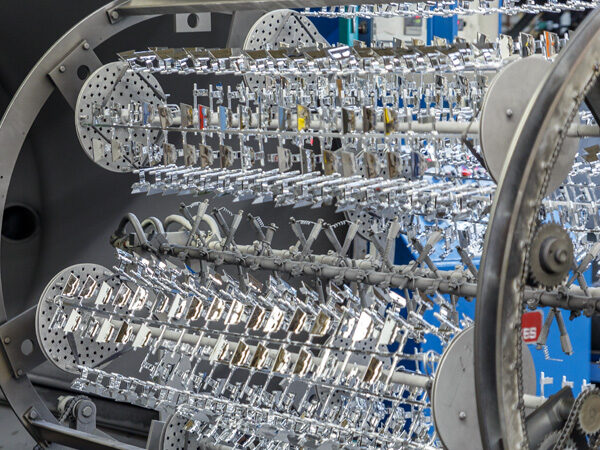
Vacuum metalizing is a machine wherein a thin layer of metal is deposited onto a cloth (generally plastic, glass, or paper) inside a vacuum chamber. The forestall quit give up give up result is a reflective, metal give up that no longer appears attractive but furthermore gives defensive tendencies.
Imagine it like spray-portraying metal onto a ground, however in the region of paint, you’re using actual metallic beneath controlled situations.
2. The Science Behind Vacuum Metallizing
At its center, this manner makes use of thermal evaporation. Metal (generally aluminum) is heated until it vaporizes, and the vaporized debris condenses onto the fabric inside the vacuum chamber. The absence of air guarantees purity, adhesion, and an extremely good coating.
Think of it as clouds forming after which “raining” metal onto the floor.
3. Step-through-Step Process Explained
- Preparation – The substrate (item to be included) is wiped smooth to eliminate dust and oil.
- Loading – Items are positioned inside a vacuum chamber.
- Evaporation – Metal is heated until it vaporizes.
- Deposition – The steel vapor settles onto the floor, forming a skinny metallic layer.
- Finishing – A defensive topcoat is implemented for durability.
4. Benefits of Vacuum Metallizing
- Lightweight however long lasting – Adds steel electricity without more bulk.
- Aesthetic attraction – Shiny, reflective give up enhances product look.
- Cost-effective – Cheaper than the usage of stable metals.
- Eco-satisfactory opportunity – Requires masses of plenty much less uncooked fabric in assessment of options.
- Corrosion resistance – Protects surfaces from damage.
5. Common Materials Used in Vacuum Metallizing
- Plastics – Widely implemented in vehicle interiors.
- Glass – For decorative devices and electronics.
- Paper & Films – Common in packaging for food and customer devices.
6. Applications within the Automotive Industry
Vacuum metallizing performs an amazing function in making motors look nicely and final longer. From chrome-like finishes on trims and symbols to reflective surfaces in headlights, this approach balances fashion with characteristic.
7. Use in Aerospace and Defense
In aerospace, slight-weight but long lasting coatings are vital. Vacuum metallizing is used for thermal insulation, reflective layers in spacecraft, and protective coatings on sensitive devices. Defense moreover benefits thru tool that calls for durability without greater weight.
8. Vacuum Metallizing in Packaging
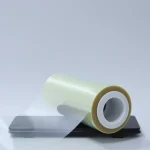
Ever decided on the colourful internal lining of chips or chocolate wrappers? That’s vacuum metalizing in motion. It no longer first-class makes packaging appealing but moreover acts as a barrier in the direction of moisture, oxygen, and moderate, preserving food sparkling.
9. Role in Consumer Electronics
Smartphones, laptops, and domestic domestic systems regularly use metallized coatings for buttons, trademarks, casings, and reflective suggests. This offers products a top fee look while including protection.
10. Environmental Impact and Sustainability
Unlike electroplating, vacuum metallizing uses fewer chemical materials and produces minimum waste. Many companies are adopting it as a greener possibility that aligns with sustainability desires.
11. How Vacuum Metallizing Improves Durability
Think of metallizing as a defense. It offers resistance to scratches, UV rays, and corrosion, making for longer product lifestyles. For example, metallized automobile additives withstand harsh climate better than uncoated ones.
12. Cost Considerations for Businesses
Vacuum metalizing is quite cheap in assessment to traditional plating or robust metal use. Businesses save coins at the same time as venture excessive-stop finishes. Costs range based mostly on:
- Type of substrate
- Thickness of coating
- Volume of manufacturing
13. Comparing Vacuum Metallizing with Alternatives
- Electroplating – More long lasting but high priced and much less inexperienced.
- Spray Painting – Cheaper but lacks sturdiness.
- Powder Coating – Durable but doesn’t offer reflective metal surrender.
Vacuum metallizing balances rate, durability, and aesthetics, making it the flow into-to choice.
14. Latest Trends and Innovations
The corporation is evolving with:
- Nano-coatings for advanced safety.
- Hybrid metallizing (combining with precise techniques).
- Eco-terrific vacuum systems that lessen strength use.
- Growing call for electric powered vehicles and wearable tech.
15. Final Thoughts and Call-to-Action
Vacuum metallizing isn’t an awful lot of exceptional finishes — it’s about combining beauty with common ordinary typical performance. Whether in packaging, cars, or electronics, it gives industries an effective way to enhance sturdiness, appearance, and sustainability.
If you’re an industrial organisation looking to lessen fees at the same time as enhancing product appeal, vacuum metallizing can be the solution you want. Explore more approximately this tool and discover dependable issuer businesses to offer your merchandise the brink they deserve.
FAQs
1. What is the primary cause of vacuum metallizing?
It enhances each the appearance and durability of materials with the beneficial aid of using a thin metal coating.
2. Which industries gain most from vacuum metallizing?
Automotive, aerospace, packaging, and electronics are the most vital clients.
3. Is vacuum metallizing environmentally wonderful?
Yes, it makes use of fewer chemical materials and substances in evaluation of electroplating.
4. Can vacuum metallizing be completed to plastics?
Absolutely, it’s one of the most common uses, especially in automobile additives.
5. How prolonged does a vacuum metallized coating ultimately be?
With right protecting topcoats, it can last for decades, resisting local and environmental harm.