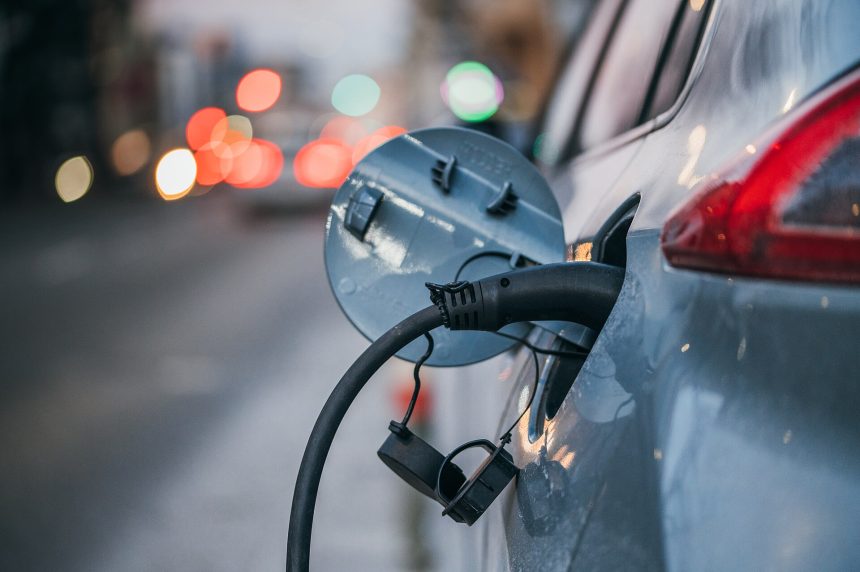
Every electric car sold contains a small mine on wheels: lithium, nickel, cobalt, manganese and graphite, dug from several continents and refined at considerable environmental cost. For years critics asked what would happen when those batteries wore out. The answer is now arriving at industrial scale. The first generations of electric vehicles are retiring, recycling plants are multiplying across Europe, North America and Asia, and recovered battery metals are beginning to flow back into new cells. The circular economy for batteries, long a slide in conference presentations, is becoming a business.
The scale of the transition is tracked by the International Energy Agency, whose data show electric sales continuing to climb, while research in Nature’s battery coverage follows the chemistry. More environment reporting sits on our homepage.
Second life before recycling
A battery retired from a car is rarely dead. Typically it retains around seventy to eighty per cent of its original capacity: too little for a driver who needs range, but plenty for stationary work. Retired packs are being installed to store solar energy for homes and businesses, support the grid at charging stations, and provide backup power. This second life can add a decade of useful service, and it delays the recycling question rather than dodging it. Eventually, though, every pack reaches a recycler’s gate, and what happens there has improved rapidly.
Older recycling meant shredding everything and burning off much of the value, recovering mainly cobalt and nickel. Modern hydrometallurgical plants shred batteries into a powder called black mass, then use chemistry to extract lithium, nickel, cobalt and manganese at high purity, in some cases above ninety-five per cent recovery. Our environment coverage has also followed direct recycling, a gentler approach that preserves the cathode material itself, potentially cutting energy use further, although it remains at an earlier stage of commercial development.
Why regulators are pushing
Policy is accelerating the market. The European Union’s battery regulation introduces recycled-content targets for new batteries, collection obligations and a battery passport that tracks materials through the supply chain. Similar incentives in the United States treat domestically recycled material favourably, which conveniently counts as domestic production. The strategic logic is plain: a tonne of recovered lithium does not depend on a mine opening, a shipping lane staying open or a refining monopoly staying friendly. Recycling turns the existing vehicle fleet into a growing urban mine.
Challenges remain honest ones. Collection logistics are awkward, because worn batteries are heavy, hazardous and scattered across millions of owners. Chemistry keeps changing, and cheaper lithium iron phosphate batteries contain less valuable metal to recover, which strains the economics that cobalt-rich packs made easy. Prices for recovered materials swing with commodity markets, squeezing recyclers in lean years.
A quieter kind of progress
Still, the direction is unmistakable. Carmakers are signing long-term agreements with recyclers, designing packs that come apart more easily, and in some cases building recycling into the same industrial parks as their cell factories. The electric transition was sold on cleaner driving. Its credibility in the long run depends just as much on this unglamorous second act: making sure the batteries that powered the journey become the raw material for the next one.
There is also a workforce story quietly unfolding inside the recycling plants themselves. The work blends chemistry, robotics and old-fashioned dismantling skill: packs must be discharged safely, opened without short circuits, and sorted by chemistry before any metal is recovered. Training programmes are springing up alongside the factories, often in the same regions that once built engines and gearboxes, which gives the transition a continuity that pure technology stories miss. A mechanic who serviced diesel fleets retraining to test and grade retired battery packs is, in miniature, what a managed industrial transition is supposed to look like. Whether governments fund that retraining generously or leave it to chance will help decide whether battery recycling is remembered as a circular-economy success that carried its workers with it, or simply as another industry that moved on without them.