Access to higher education can be a life-changing opportunity, but the rising cost of tuition, textbooks, and living expenses often creates significant financial barriers. To address this challenge, various aid programs have been developed to help students access scholarships, grants, and other forms of educational support. Aid (ayudas) programs are designed to provide financial relief, recognize academic or personal achievements, and ensure that students from diverse backgrounds can pursue their educational goals. By connecting students with available resources and guiding them through the application process, aid programs play a crucial role in promoting access, equity, and long-term success in education.
The Importance of Scholarships in Education
Scholarships are one of the most widely recognized forms of financial aid. They provide funding to students based on merit, need, or specific talents and achievements. Merit-based scholarships reward academic excellence, leadership skills, or exceptional performance in extracurricular activities such as sports, arts, or community service. Need-based scholarships target students who demonstrate financial hardship, helping ensure that economic constraints do not prevent qualified individuals from pursuing higher education. Other scholarships may focus on promoting diversity, supporting underrepresented groups, or encouraging students to pursue particular fields of study. By reducing financial burdens, scholarships allow students to focus on their education, participate fully in campus life, and explore personal growth opportunities.
Grants and Their Role in Financial Support
Grants are another essential component of student aid programs. Unlike loans, grants do not require repayment, making them a highly valuable form of financial assistance. These funds are often provided by government agencies, private foundations, or educational institutions. Grants can cover tuition, living expenses, books, and other educational costs. They are usually awarded based on financial need, academic performance, or participation in specific programs. By providing non-repayable funding, grants relieve students and families from long-term financial obligations, creating greater access to higher education and improving student retention and success rates.
Educational Support Beyond Financial Aid
While scholarships and grants are crucial, comprehensive aid programs often include additional educational support. This may involve tutoring services, mentoring, academic advising, and career guidance. These resources help students navigate their studies, develop effective learning strategies, and prepare for future career opportunities. Educational support programs are especially beneficial for first-generation college students, those from underrepresented communities, or individuals facing unique challenges. By combining financial assistance with academic resources, aid programs provide a holistic approach that promotes both access and achievement.
How Aid Programs Function
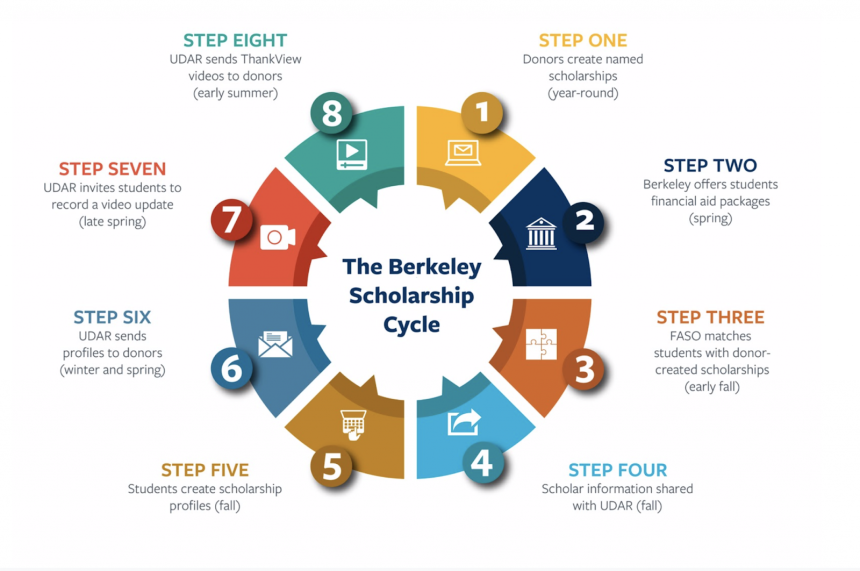
Aid programs operate by connecting students with resources and guiding them through the application process. Students typically complete a profile or application that captures their academic background, financial situation, interests, and career goals. This information allows programs to match individuals with scholarships, grants, and support services that best suit their needs. Many aid platforms and institutions provide tools for searching, filtering, and tracking opportunities, ensuring that students are aware of deadlines and requirements. Some programs also offer workshops, webinars, or counseling sessions to help applicants prepare strong applications and submit all necessary documentation.
Personalized Recommendations and Matching
One of the key features of modern aid programs is the ability to provide personalized recommendations. Using algorithms or data-driven matching, programs identify scholarships and grants that align with the student’s profile. This reduces the time spent searching for opportunities and ensures that students do not miss relevant funding options. Personalized alerts notify applicants of new opportunities or approaching deadlines, helping them stay organized and proactive. By tailoring recommendations to individual circumstances, aid programs increase the likelihood of success and make the process more efficient and user-friendly.
Supporting Underrepresented and Disadvantaged Students
Many aid programs are specifically designed to support students from underrepresented or disadvantaged backgrounds. These initiatives address historical inequalities and aim to create equitable access to higher education. Programs may focus on students from low-income families, minority communities, rural areas, or individuals with disabilities. By targeting these populations, aid programs provide not only financial resources but also mentorship, academic support, and community engagement opportunities. Such targeted support helps bridge gaps, enhance diversity, and ensure that all students have the chance to succeed academically and professionally.
Application Guidance and Resources
Successful participation in aid programs often depends on a well-prepared application. Recognizing this, many programs provide guidance on essay writing, documentation, and meeting eligibility criteria. This may include tips on crafting compelling personal statements, collecting letters of recommendation, and organizing financial documents. Templates, sample essays, and checklists are frequently provided to streamline the process and reduce stress for applicants. Comprehensive guidance ensures that students submit competitive applications, increasing their chances of receiving scholarships, grants, or additional support.
Community and Peer Support
Aid programs often foster a sense of community among participants. Online forums, peer mentoring, and discussion boards provide spaces for students to share experiences, ask questions, and offer advice. These interactions create a support network that helps students navigate the complexities of funding, academics, and campus life. Engaging with peers who face similar challenges promotes motivation, resilience, and collaboration. Community-driven support enhances the overall value of aid programs, creating an environment in which students feel encouraged and supported throughout their educational journey.
Promoting Lifelong Learning and Career Development
Beyond immediate financial and educational assistance, aid programs frequently emphasize long-term development. Students are encouraged to explore professional growth opportunities, internships, research projects, and extracurricular activities. Many programs provide access to workshops, networking events, and career counseling, equipping students with skills that extend beyond academics. This focus on lifelong learning ensures that financial aid has a lasting impact, preparing students for successful careers and personal growth while maximizing the value of their educational experience.
Technology and Accessibility in Aid Programs
The integration of technology has revolutionized the way students access scholarships, grants, and educational support. Online platforms provide centralized databases of opportunities, streamlined application processes, and real-time notifications. Accessibility features such as mobile-friendly interfaces, multilingual support, and interactive tools make aid programs more inclusive and user-friendly. Students can explore options anytime and anywhere, ensuring that financial aid and educational resources are within reach for all eligible participants. Technology also enables programs to track applications, provide personalized guidance, and continuously update funding opportunities, creating a dynamic and responsive system for users.
The Impact on Student Success and Retention
Aid programs have a measurable impact on student success and retention. By reducing financial stress, students can focus on their studies, participate in campus activities, and engage in professional development. Access to academic support services enhances learning outcomes, while mentorship and guidance provide motivation and direction. Students who receive comprehensive aid are more likely to complete their degrees, pursue advanced studies, and achieve career goals. The combination of financial relief, academic support, and career preparation ensures that aid programs contribute to long-term educational and personal success.
Collaboration with Educational Institutions
Many aid programs work closely with colleges, universities, and other educational institutions to maximize impact. Collaboration allows programs to identify eligible students, tailor resources to institutional priorities, and ensure alignment with academic standards. Institutions benefit by improving student retention, promoting diversity, and enhancing overall academic performance. For students, this partnership provides a seamless connection between financial support and academic opportunities, facilitating a well-rounded and supportive learning environment.
Continuous Updates and Expansion of Resources
The landscape of scholarships, grants, and educational support is constantly evolving, with new opportunities emerging regularly. Aid programs continuously update their databases to provide students with the latest funding options. Expanding resources may include internships, fellowships, research grants, and specialized programs for different fields of study. Keeping information current ensures that students have access to all available opportunities, increasing their chances of obtaining financial assistance and other forms of educational support.
Promoting Equity and Inclusion
Aid programs play a crucial role in promoting equity and inclusion within education. By targeting financial barriers and providing support to marginalized populations, these programs enable more students to pursue higher education. Focused initiatives on gender equity, underrepresented communities, and individuals with unique challenges ensure that educational opportunities are accessible to a diverse range of learners. This commitment to inclusivity helps build a more equitable educational landscape, fostering diversity, innovation, and social mobility.
Conclusion
Aid programs designed to help students access scholarships, grants, and educational support are essential for promoting equitable access to education. By providing financial assistance, academic resources, and personalized guidance, these programs reduce barriers and empower students to achieve their goals. Comprehensive support, including mentorship, career guidance, and peer networks, enhances learning outcomes and prepares students for long-term success. With technology-driven accessibility, continuous updates, and targeted initiatives for underrepresented populations, aid programs ensure that higher education is attainable for a wide range of learners. Ultimately, these programs not only alleviate financial burdens but also foster academic achievement, personal growth, and professional development, making them indispensable tools for students seeking to maximize their educational potential.