When a surveillance camera stops working, the immediate concern is rarely just the hardware. For property managers, facilities directors, operations teams, and security coordinators, a failed camera means a gap in coverage — a section of a building, parking lot, or entry point that is no longer monitored. Depending on the location and what it protects, that gap can create meaningful liability exposure or compliance issues.
The decision to repair versus replace a camera is rarely straightforward. It involves understanding what failed, what the repair actually costs across different scenarios, and whether the surrounding infrastructure is still sound. Most facilities teams encounter this question without a clear framework for estimating costs or evaluating options. This breakdown addresses that directly, drawing on how these decisions play out in real commercial and residential security environments across the United States.
What Surveillance Camera Repair Actually Involves
Camera repair is not a single service. It describes a range of interventions depending on where the failure occurred — whether in the camera unit itself, the cabling, the power supply, the network connection, or the recording system it feeds into. Understanding this distinction matters because it shapes the cost estimate significantly.
When property owners or operations managers search for surveillance camera repair services, they are often dealing with symptoms rather than confirmed diagnoses: a blank feed, a distorted image, an offline device, or a camera that powers on but records nothing. Identifying the root cause is part of the service, and that diagnostic process carries its own cost regardless of what is ultimately fixed.
Reputable service providers in this space — those that handle both IP-based systems and legacy analog setups — treat diagnosis as a structured process before any parts or labor are committed. This approach avoids unnecessary component replacement and gives the client a clearer picture of whether repair or replacement is the more economical path.
Common Failure Points and Their Repair Implications
Most camera failures fall into a handful of categories, each with different labor demands and parts costs. Lens and image sensor issues tend to require hands-on hardware work and are among the more expensive repairs when parts must be sourced for older units. Power-related failures — often tied to PoE injectors, power supplies, or surge damage — can sometimes be resolved with low-cost component swaps, but only if the camera unit itself was not damaged in the process.
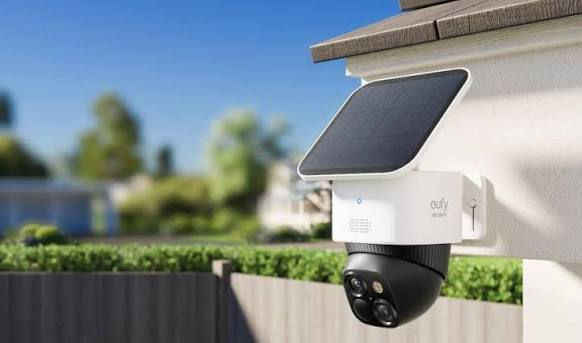
Weatherproofing failures are common in outdoor cameras that have been exposed to rain, temperature cycling, or direct UV exposure over time. When moisture enters the housing, it can corrode internal components in ways that make the camera uneconomical to repair. Connectivity failures, on the other hand, are frequently traced back to cabling or network configuration rather than the camera hardware itself, which makes them less expensive to address but harder to isolate without proper diagnostic tools.
Typical Cost Ranges for Camera Repair in the US
Repair costs in the United States vary based on the type of camera system, the nature of the failure, local labor rates, and whether the work is performed under a service contract or on a one-time basis. While exact figures depend on these variables, understanding the general cost tiers helps set realistic expectations before engaging a technician.
Diagnostic and inspection fees typically fall in the range of $75 to $150 for a single camera. This fee covers the technician’s time to assess the system, identify the fault, and provide a repair recommendation. Some service providers apply this cost toward the final invoice if the repair proceeds; others treat it as a standalone charge.
Minor Repairs and Component Replacements
For simple failures — replacing a power supply, reconfiguring a dropped network connection, or cleaning a fogged lens — repair costs often stay between $100 and $250 inclusive of labor. These are the most favorable scenarios and apply most often to newer systems where individual components are still readily available and the camera housing remains intact.
Cable replacement falls into this tier as well, provided the run is accessible. When cabling is embedded in walls, conduit, or rooftop structures, the labor cost increases substantially because of the access work required. A cable replacement that takes 30 minutes in an open ceiling may take several hours in a finished commercial space.
Mid-Range Repairs Involving Internal Hardware
When the repair involves the camera’s internal board, image sensor, or motor assembly (in PTZ units), costs rise to the $250 to $500 range. At this level, the technician is sourcing specific parts, and the labor time increases to accommodate disassembly, parts installation, and testing. For PTZ cameras in particular — which have mechanical components that can wear over time — motor replacement or recalibration work is detailed and time-consuming.
Older analog cameras sometimes fall into this cost tier simply because finding compatible parts requires sourcing from secondary markets. The labor cost may be moderate, but parts availability and lead time can add to the total. In some cases, it becomes more practical to replace the unit entirely than to wait for a compatible component.
When Repair Costs Approach Replacement Value
There is a threshold — generally when repair estimates exceed 60 to 70 percent of the cost of a comparable replacement unit — at which most facilities advisors recommend replacement. This is not a rigid rule, but it reflects the practical reality that an aging camera restored to working condition still carries the remaining risk of other aging components. Spending $400 to repair a camera that would cost $500 to replace outright, with no warranty coverage on the repaired unit, is rarely the most sound operational decision.
This calculation becomes more nuanced when the camera is part of a larger integrated system. In those cases, maintaining consistency across hardware generations matters more than it does for standalone units. Replacing a single camera with a newer model can create compatibility issues with existing recording software or network video recorders, adding hidden costs to what appeared to be a straightforward swap.
Service Contracts Versus One-Time Repairs
For facilities that operate multiple cameras across a single property or across multiple locations, one-time repair pricing is rarely the most efficient model. Service contracts — structured agreements that cover routine inspection, priority response to failures, and sometimes parts at reduced cost — tend to lower the per-incident expense over time and reduce administrative overhead when issues arise.
The value of a service contract is largely in response time and predictability. When a camera fails in a high-traffic or high-risk area, waiting days for a technician to be dispatched is not always acceptable. Contracted clients typically receive prioritized scheduling, which reduces the duration of coverage gaps and the associated liability exposure.
What to Look for in a Service Agreement
A well-structured service agreement should clearly define response time commitments, the scope of covered repairs, how diagnostic fees are handled, and what exclusions apply. Agreements that exclude water damage, physical damage, or software-related failures can leave significant gaps in coverage. Reviewing these terms before signing — ideally with input from the facilities team that will be managing the relationship — avoids disputes when a real failure occurs.
It is also worth confirming whether the provider has experience with the specific camera systems installed on the property. Technicians who regularly work with IP-based systems from major manufacturers are not always equally proficient with proprietary or legacy analog equipment, and vice versa. Mismatched expertise can result in longer diagnosis times or incorrect repair approaches that create new problems.
Factors That Affect Repair Cost Beyond the Camera Itself
The camera unit is often only part of the cost equation. Access, location, and system architecture each contribute to the final invoice in ways that are easy to underestimate when requesting an initial estimate.
Cameras mounted at height — on poles, exterior walls above two stories, or inside elevator shafts — require lift equipment or specialized access methods. This equipment costs money to mobilize, and the labor rate for elevated work is typically higher than for ground-level installation. A repair that would cost $150 at standard height may cost $350 or more when lift equipment is factored in.
System Age and Parts Availability
The age of the system affects repair cost in a way that is often overlooked during initial planning. As noted by the Electronic Security Association, the security camera market has undergone significant technological transition over the past decade, with many older analog systems now outside the active support cycles of their original manufacturers. This means parts for those systems may be sourced from third-party suppliers at variable quality and price points, or may not be available at all for specific models.
For properties still operating largely analog systems, it is worth conducting a baseline audit to understand which units are approaching end-of-part-availability. Proactive planning — whether through stocking critical spare components or budgeting for phased upgrades — reduces the risk of an urgent failure that has no viable repair path.
Closing Perspective: Repair Costs as an Operational Decision
Surveillance camera repair costs in the US do not follow a single fixed schedule. They reflect the complexity of the failure, the type of system involved, the physical environment of the installation, and the urgency of the response required. For individual property owners dealing with a single camera, understanding these variables helps set a realistic budget and avoid being surprised by a diagnosis that points to replacement rather than repair.
For operations teams managing larger deployments, the real value lies in building a systematic approach to camera maintenance before failures occur. That means knowing what systems are installed, understanding their age and vulnerability profile, having a trusted service relationship in place, and having a clear threshold for when repair stops making financial sense.
Repair is not always the right answer, and replacement is not always the better one. Making that determination well requires accurate information, a technician who can diagnose correctly, and a clear view of what the camera’s coverage role is within the broader security infrastructure. When those elements are in place, the cost of camera repair becomes a manageable, predictable operational expense rather than an emergency that disrupts both budget and coverage simultaneously.