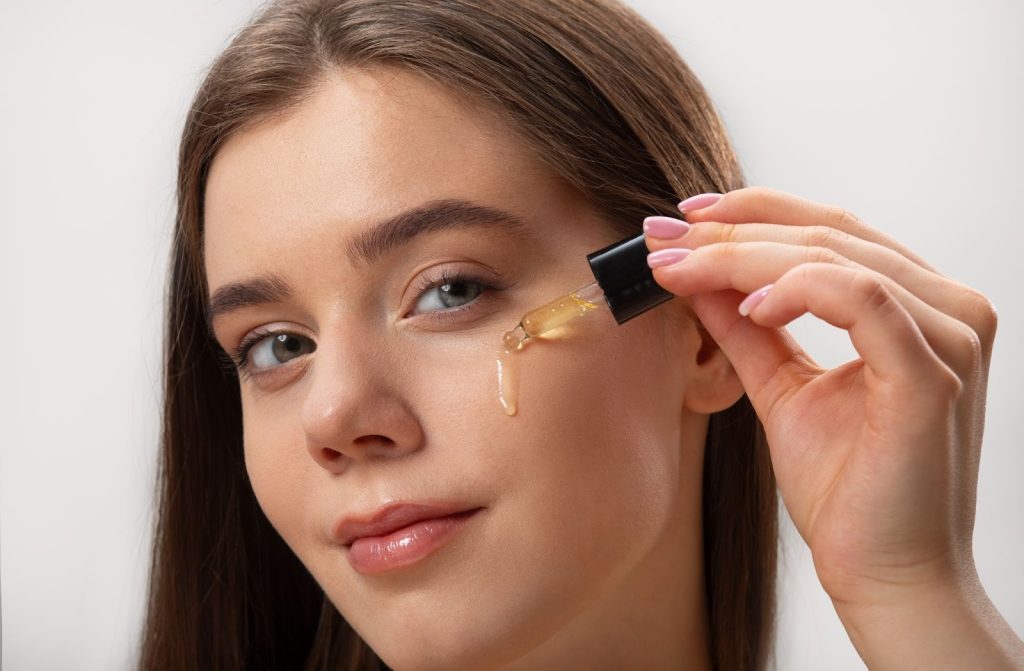
Face oils have gained significant popularity in the skincare industry, offering a multitude of benefits for various skin types. Understanding the diverse advantages, kinds, and best practices for application can enhance your skincare routine. Incorporating face oil into your daily regimen can lead to noticeably healthier skin.
Understanding the Benefits of Face Oils
Face oils are rich in essential fatty acids and antioxidants that help to nourish and protect the skin. They provide a natural barrier to prevent moisture loss, ensuring the skin remains hydrated. The anti-inflammatory properties found in certain oils can also assist in reducing redness and irritation, making them suitable for sensitive skin.
Additionally, face oils can be an effective means of balancing oil production in the skin. Contrary to popular belief, applying oil to oily skin can reduce the skin’s oil production, leading to fewer breakouts. Regular use of face oils can result in a more balanced and radiant complexion.
Different Types of Face Oils
There are various types of face oils, each catering to specific skin needs. Understanding these types can help you choose the most appropriate oil for your skin.
Argan Oil
Argan oil, often referred to as “liquid gold,” is renowned for its hydrating and anti-ageing properties. It is suitable for all skin types and helps improve skin elasticity and reduce the appearance of fine lines and wrinkles.
Jojoba Oil
Jojoba oil is known for its ability to mimic natural skin oils, making it excellent for balancing oil production. It is particularly beneficial for acne-prone skin, as it can help unclog pores and prevent breakouts.
Rosehip Oil
Rich in vitamins A and C, rosehip oil is perfect for improving skin tone and texture. It aids in reducing pigmentation and scarring, making it a favourite amongst those dealing with uneven skin tones.
Tea Tree Oil
Tea tree oil is renowned for its antibacterial properties, making it an ideal choice for blemish-prone skin. It helps to combat acne while soothing and calming irritated skin.
How to Apply Face Oils Effectively
Applying face oils properly ensures you reap all the benefits they offer.
Step 1: Cleanse
Begin with a gentle cleanser to remove any impurities or makeup. This prepares the skin to absorb the oil more efficiently.
Step 2: Tone
Using a toner can help balance the skin’s pH levels, providing a clean base for the oil application.
Step 3: Application
Take a few drops of the chosen face oil in your palms. Gently pat and massage it into the skin, focusing on areas that require extra hydration.
Step 4: Moisturise
Seal in the benefits of the oil with a suitable moisturiser. This step ensures the skin remains supple and hydrated throughout the day.
Key Considerations When Using Face Oils
When incorporating face oils into your skincare routine, it is crucial to consider your skin type and any specific concerns you may have. For those with oily skin, lightweight oils such as jojoba or tea tree oil may be more appropriate. Dry skin types may benefit from richer oils like argan or rosehip oil.
It is also important to conduct a patch test before applying a new oil to the face to ensure there are no adverse reactions. Further, using oils that are pure and free from additives or fragrances reduces the risk of irritation.
Conclusion
Face oils are a versatile and beneficial addition to any skincare routine. By choosing the right oil for your skin type and applying it correctly, you can achieve a healthy, balanced, and glowing complexion. For those looking to explore various face oils and other skincare products, exploring specialised collections can offer numerous options tailored to individual needs.