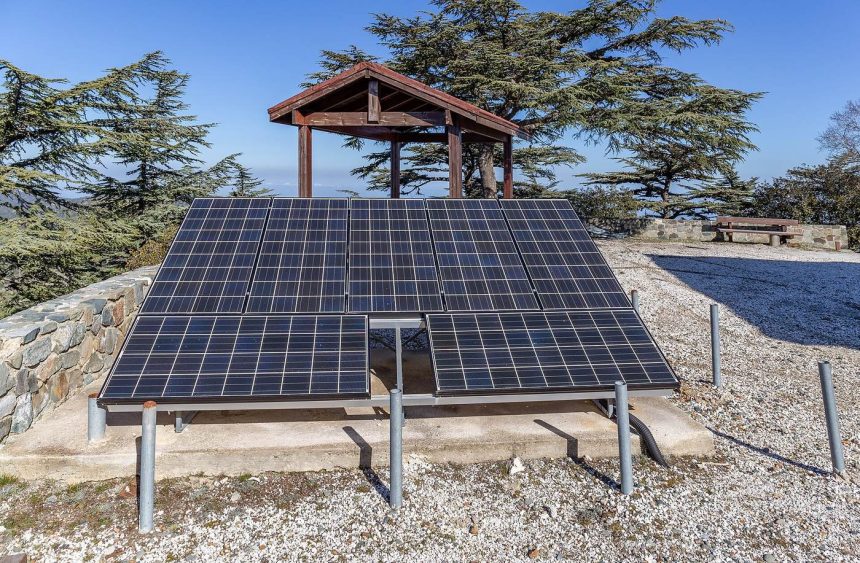
Rooftop solar has a gatekeeping problem: it works beautifully for people who own a suitable roof, and not at all for everyone else. Renters, flat-dwellers and households with shaded or ageing roofs have watched the solar boom from the outside. Community solar is the fix — a shared solar farm whose electricity is divided among local subscribers, who see the value credited straight onto their power bills. After years as a niche experiment, the model is scaling fast.
The mechanics are simple. A developer builds a solar array on farmland, a warehouse roof or reclaimed industrial land. Households and small businesses subscribe to a share sized to their usage. The power feeds the grid, and subscribers receive bill credits for their portion — typically saving between five and twenty per cent on electricity costs, with no panels, no installation and no twenty-year commitment to a roof they may not own.
Why the model is taking off now
Policy has finally caught up with the idea. In the United States, federal incentives now reward projects that serve low- and moderate-income households, and state programmes have standardised the billing rules that once made community solar a paperwork maze. Organisations like the Solar Energy Industries Association report a pipeline growing year on year, while in Europe, energy communities have gained explicit legal standing, letting neighbours co-own generation directly. Programmes backed by the US Department of Energy aim to make subscriptions as easy to start — and cancel — as a streaming service.
The equity argument is the strongest one. Energy bills consume a far larger share of income for poor households, and those households were systematically last in line for solar savings. Well-designed community programmes reserve capacity for them, guarantee savings rather than merely promising them, and prohibit the credit checks and exit fees that plagued early offers. Our energy coverage tracks which programme designs actually deliver for low-income subscribers.
Honest complications
Not every offer deserves trust. Regulators have warned about misleading marketing — exaggerated savings, subscriptions that are hard to leave, credits that shrink in fine print. Interconnection queues also slow projects in many regions, and where utilities control both the grid and the billing, community programmes can be designed to fail quietly.
Sunlight as a shared utility
The deeper appeal of community solar is conceptual: it treats sunlight the way towns once treated water, as a shared local resource rather than a homeowner’s upgrade. The projects that succeed look less like financial products and more like memberships — visible arrays on known land, governed with local input, sending savings to people who can name the field their electricity comes from. For the third of households that rooftop solar left behind, that is not a small thing. It is the energy transition finally including them.